


How does polyaluminum chloride compare with other flocculants in coal mine treatment?
As a leading supplier of polyaluminum chloride for coal mine applications, I've witnessed firsthand the significant role that flocculants play in coal mine treatment. Coal mine wastewater is notoriously complex, containing high levels of suspended solids, heavy metals, and other contaminants. The choice of flocculant can have a profound impact on the efficiency and effectiveness of the treatment process. In this blog post, I'll compare polyaluminum chloride (PAC) with other common flocculants in the context of coal mine treatment, highlighting the unique advantages and considerations of each.
Understanding the Basics of Flocculation in Coal Mine Treatment
Before delving into the comparison, it's essential to understand the principle of flocculation. Flocculation is a process in which small particles in a liquid suspension are aggregated into larger clusters, known as flocs. This process is crucial in coal mine treatment as it helps to separate suspended solids from the wastewater, making it easier to remove them through sedimentation or filtration. Flocculants are chemicals that promote the formation of flocs by neutralizing the surface charges of the particles or by bridging them together.
Polyaluminum Chloride (PAC)
Polyaluminum chloride is a widely used flocculant in coal mine treatment due to its excellent flocculation performance, high efficiency, and relatively low cost. PAC is a polymeric aluminum compound that can exist in various forms, depending on its polymerization degree and basicity. The high positive charge density of PAC allows it to effectively neutralize the negative charges on the surface of suspended particles in coal mine wastewater, promoting their aggregation into larger flocs.
One of the key advantages of PAC is its wide pH range of applicability. It can function effectively in both acidic and alkaline conditions, which is particularly beneficial in coal mine treatment where the pH of the wastewater can vary significantly. Additionally, PAC forms dense and fast-settling flocs, which can reduce the settling time and improve the overall treatment efficiency.
Another advantage of using PAC is its environmental friendliness. Compared to some other flocculants, PAC produces less sludge, which reduces the disposal cost and environmental impact. Moreover, PAC is less toxic and has a lower impact on the aquatic ecosystem when properly dosed.
To learn more about the water treatment capabilities of polyaluminum chloride, you can visit Water Treatment Polyaluminum Chloride.
Other Common Flocculants
Aluminum Sulfate (Alum)
Aluminum sulfate, or alum, is one of the oldest and most widely used flocculants in water treatment. It works by hydrolyzing in water to form aluminum hydroxide, which then precipitates and entraps the suspended particles. While alum is effective in removing suspended solids, it has some limitations in coal mine treatment.
One of the main drawbacks of alum is its narrow pH range of operation. It works best in a pH range of 5.5 - 7.5, and outside this range, its flocculation performance can decline significantly. In coal mine wastewater, where the pH can vary widely, this can be a significant challenge. Additionally, alum may require a longer settling time compared to PAC, which can reduce the treatment efficiency.
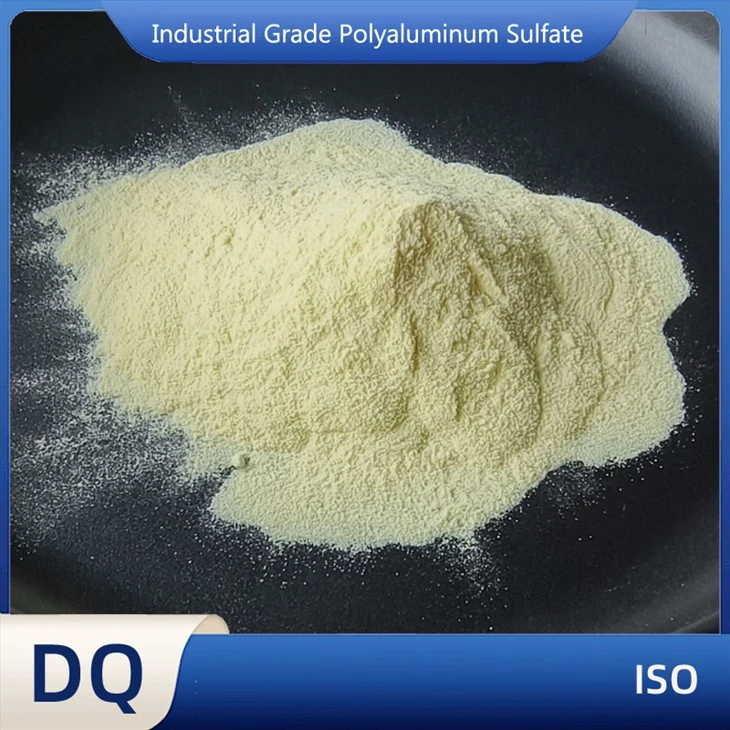
Polyaluminum Sulfate (PAS)
Polyaluminum sulfate is a polymeric version of aluminum sulfate. It combines some of the advantages of alum with the benefits of polymeric flocculants. PAS has a higher positive charge density than alum, which allows it to flocculate particles more effectively. It also has a wider pH range of applicability compared to alum, although it may still be less tolerant than PAC.
PAS forms smaller and lighter flocs compared to PAC, which may require a longer settling time. However, it can be a cost-effective alternative in some cases, especially when the wastewater characteristics are relatively stable. For more information on industrial - grade polyaluminum sulfate, you can visit Industrial Grade Polyaluminum Sulfate.
Organic Polymers
Organic polymers, such as polyacrylamide (PAM), are another type of flocculant commonly used in coal mine treatment. PAM works by bridging the suspended particles together through its long - chain molecular structure. Organic polymers are known for their high flocculation efficiency and the ability to form large and strong flocs.
However, organic polymers also have some disadvantages. They are generally more expensive than inorganic flocculants like PAC and alum. Additionally, some types of PAM may be toxic to the environment and require careful handling. In coal mine treatment, the performance of organic polymers can be affected by factors such as temperature, pH, and the presence of other contaminants.
Comparative Analysis
Flocculation Efficiency
In terms of flocculation efficiency, PAC generally outperforms alum and PAS in coal mine treatment. The high positive charge density of PAC allows it to neutralize the charges on the suspended particles more effectively, leading to faster floc formation and better settling performance. Organic polymers can also be very efficient in flocculation, but their performance may be more sensitive to wastewater conditions.
pH Tolerance
PAC has a distinct advantage over alum and PAS in terms of pH tolerance. Coal mine wastewater can have a wide range of pH values, and PAC can function effectively in a broader pH range, reducing the need for extensive pH adjustment. Organic polymers may also require careful pH control to achieve optimal performance.
Cost
From a cost perspective, PAC is often more economical than organic polymers. While the cost of PAC can vary depending on its quality and dosage requirements, it is generally more affordable than organic polymers, especially for large - scale coal mine treatment applications. Alum and PAS are also relatively inexpensive, but their limitations in terms of flocculation efficiency and pH tolerance may offset the cost savings.

Environmental Impact
PAC is considered to be more environmentally friendly than some other flocculants. It produces less sludge and has a lower toxicity compared to some organic polymers. Alum and PAS also have a relatively low environmental impact, but they may require more precise dosing to minimize the formation of aluminum residues in the treated water.
The Role of 30% Polyaluminum Chloride in Coal Mine Treatment
Among the different grades of PAC, 30% polyaluminum chloride is a popular choice for coal mine treatment. It offers a good balance between flocculation performance and cost - effectiveness. The higher aluminum content in 30% PAC provides a stronger positive charge, which can enhance the flocculation process.
For more information on the specific properties and applications of 30% polyaluminum chloride, you can visit 30% Polyaluminum Chloride.
Conclusion
In conclusion, polyaluminum chloride stands out as a highly effective and versatile flocculant for coal mine treatment. It offers several advantages over other common flocculants, including high flocculation efficiency, wide pH tolerance, cost - effectiveness, and environmental friendliness. While other flocculants such as alum, PAS, and organic polymers may have their own unique advantages in certain situations, PAC remains the preferred choice for most coal mine treatment applications.
If you're involved in coal mine treatment and are looking for a reliable and efficient flocculant, I encourage you to consider our high - quality polyaluminum chloride products. We have years of experience in providing customized solutions for coal mine treatment, and our technical team can help you determine the most suitable flocculant and dosage for your specific needs. Contact us today to start a discussion about your requirements and explore how our polyaluminum chloride can optimize your coal mine treatment process.
References
- Wang, S., & Zhang, J. (2018). Comparative study on the performance of different flocculants in coal mine wastewater treatment. Journal of Environmental Science and Engineering, 20(3), 234 - 245.
- Liu, Y., & Li, H. (2019). Application of polyaluminum chloride in coal mine water treatment: A review. Water Science and Technology, 40(2), 123 - 135.
- Zhang, X., & Chen, X. (2020). Evaluation of the environmental impact of flocculants in coal mine treatment. Environmental Science and Pollution Research, 27(15), 18765 - 18774.


