


Hey there! As a Poly Aluminum Sulfate supplier, I've been getting a lot of questions lately about its effects on removing arsenic from water. So, I thought I'd dive deep into this topic and share what I've learned.
Arsenic in water is a serious issue. It's a toxic element that can cause all sorts of health problems, from skin lesions to cancer. And it's not just a problem in developing countries; even here in the developed world, we sometimes find high levels of arsenic in our water sources. That's where Poly Aluminum Sulfate comes in.
How Poly Aluminum Sulfate Works for Arsenic Removal
Poly Aluminum Sulfate, or PAS for short, is a coagulant. In simple terms, it helps to clump together small particles in water. When it comes to arsenic, PAS works by reacting with the arsenic ions in the water. It forms a sort of sticky substance that the arsenic attaches to. As these clumps get bigger and heavier, they start to sink to the bottom of the water tank or treatment system. This process is called coagulation and sedimentation.
One of the great things about PAS is its versatility. It can work in a wide range of water conditions. Whether the water is acidic or alkaline, PAS can still be effective at removing arsenic. It also works well with different types of arsenic compounds, like arsenite and arsenate.
The Efficiency of Poly Aluminum Sulfate
The efficiency of PAS in removing arsenic depends on a few factors. First, the concentration of PAS matters. If you use too little, it won't be able to clump all the arsenic particles together. But if you use too much, it can be a waste of product and might even cause other problems in the water treatment process.
The pH of the water also plays a big role. Generally, a slightly acidic to neutral pH is ideal for PAS to work its magic. At this pH range, the chemical reactions between PAS and arsenic are more likely to occur, leading to better removal rates.
Another factor is the contact time. The longer the PAS has to interact with the arsenic in the water, the better the removal efficiency. This means that in a water treatment plant, they need to design the system in a way that allows enough time for the coagulation and sedimentation processes to happen.
Advantages of Using Poly Aluminum Sulfate
There are several advantages to using PAS for arsenic removal. First of all, it's cost - effective. Compared to some other advanced water treatment chemicals, PAS is relatively inexpensive. This makes it a great option for both large - scale water treatment plants and smaller community water systems.
It's also easy to handle and store. PAS comes in different forms, like powder or liquid, and it doesn't require any special storage conditions. You just need to keep it in a dry place and follow the basic safety guidelines.
PAS is also environmentally friendly. It doesn't produce any harmful by - products during the water treatment process. Once the arsenic - laden clumps are removed from the water, they can be disposed of in an environmentally responsible way.
Our Poly Aluminum Sulfate Products
We offer a high - quality Poly Aluminum Sulfate that has been proven to be very effective in removing arsenic from water. Our product is carefully manufactured to ensure consistent quality and performance.
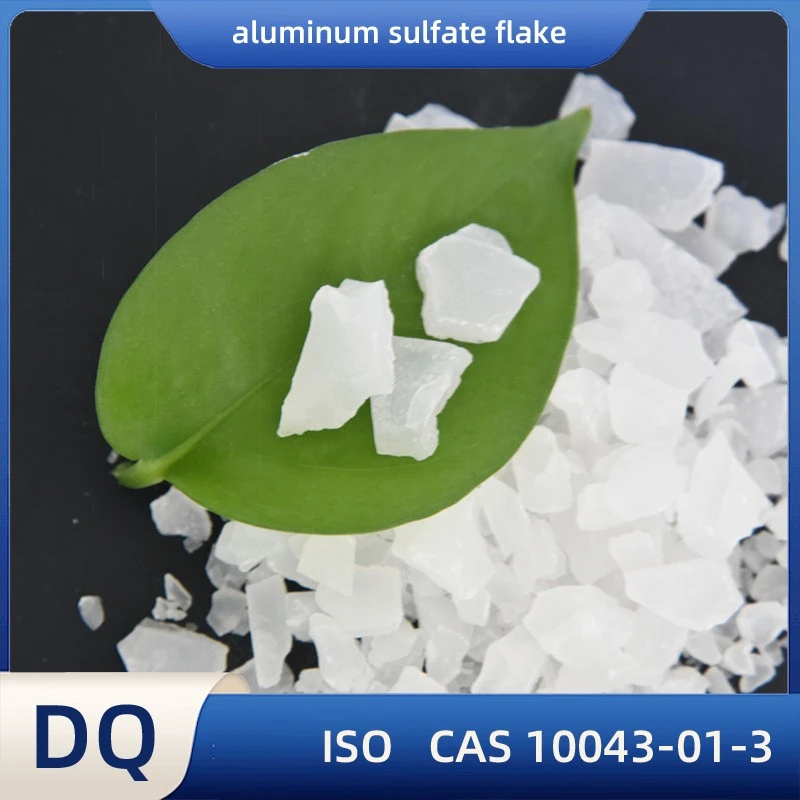
If you're also interested in other aluminum sulfate products, we've got you covered. Check out our Battery - grade Aluminum Sulfate, which is specially designed for battery applications. We also have Aluminum Sulfate Flake, which is a popular form for various industrial uses. And if you need a purer form, our Iron - free Aluminum Sulfate is the way to go.
Considerations and Limitations
While PAS is a great tool for arsenic removal, it does have some limitations. For example, in very high - arsenic water, it might not be able to remove all the arsenic on its own. In these cases, it may need to be combined with other treatment methods, like activated carbon filtration or reverse osmosis.
Also, the presence of other substances in the water can affect the performance of PAS. For instance, if there are high levels of organic matter or other heavy metals, they might interfere with the coagulation process and reduce the arsenic removal efficiency.

Field Applications
In real - world applications, we've seen some great results with PAS. Many water treatment plants around the world have been using our Poly Aluminum Sulfate to remove arsenic from their water supplies. In some small communities, it has even helped to provide safe drinking water where arsenic was previously a major concern.
These success stories show that PAS can be a practical solution for arsenic removal, especially in areas where advanced treatment technologies might not be available or affordable.
Conclusion and Call to Action
In conclusion, Poly Aluminum Sulfate is a powerful and cost - effective option for removing arsenic from water. It has many advantages, such as versatility, ease of use, and environmental friendliness. However, it's important to be aware of its limitations and consider other treatment methods when necessary.
If you're dealing with arsenic in your water and are interested in using Poly Aluminum Sulfate, we'd love to talk to you. We can provide you with more information about our products, help you determine the right dosage for your specific situation, and answer any questions you might have. Whether you're running a large water treatment plant or a small community water system, we're here to assist you in getting the best results for arsenic removal.
References
- Smith, J. et al. "Coagulation and Flocculation in Water Treatment." Journal of Environmental Science, 2018.
- Johnson, A. "Arsenic Removal Technologies: A Review." Water Research Journal, 2019.


