


Hey there! As a supplier of Low Basicity Polyaluminum Chloride, I'm stoked to share with you the quality control measures we put in place during production. Low Basicity Polyaluminum Chloride is a key player in many industries, from water treatment to papermaking, and ensuring its top - notch quality is super important.
Raw Material Selection
The first step in ensuring high - quality Low Basicity Polyaluminum Chloride is choosing the right raw materials. We're super picky about where we source our stuff. We only work with reliable suppliers who can provide us with pure and consistent raw materials. For aluminum ore, we check its composition carefully. It's gotta have the right amount of aluminum content. If the aluminum content is too low, it'll affect the quality of the final product.
We also test the raw materials for impurities. Things like heavy metals, silica, and other unwanted substances can mess up the chemical reactions during production and reduce the efficacy of the Low Basicity Polyaluminum Chloride. So, we run strict lab tests on every batch of raw materials to make sure they meet our high - quality standards.
Process Control
Once the raw materials pass the test, it's time for production. The production process of Low Basicity Polyaluminum Chloride is a bit complex, and every single step matters.
We start by controlling the reaction temperature. The optimal temperature range is crucial for getting the right chemical reactions. If the temperature is too high, the reaction might be too violent, and we could end up with an inconsistent product. On the other hand, if the temperature is too low, the reaction might not happen fully. So, we use advanced temperature - control systems to keep the reaction within the perfect temperature window.
The reaction time is another important factor. We've conducted tons of experiments to figure out the ideal reaction time. If we stop the reaction too early, the product won't have the right basicity and composition. But if we let it go on for too long, it could lead to the formation of unwanted by - products. So, we closely monitor the reaction time and use automated timers to ensure accuracy.
Agitation during the reaction is also vital. We use powerful agitators to make sure all the raw materials are thoroughly mixed. This helps in achieving a homogeneous product. Without proper agitation, there could be pockets of unreacted materials, which would affect the quality and performance of the Low Basicity Polyaluminum Chloride.
In - process Sampling and Testing
During the production process, we don't just sit back and hope for the best. We take regular samples at different stages of production. These samples are then sent to our in - house lab for a series of tests.
One of the key tests is for basicity. Low Basicity Polyaluminum Chloride, as the name suggests, has a specific basicity range. We use titration methods to accurately measure the basicity of the samples. If the basicity is outside the acceptable range, we can adjust the production parameters immediately to get it back on track.
We also test for the content of aluminum oxide. This is a crucial indicator of the product's purity and efficacy. Higher aluminum oxide content usually means better quality. We use advanced analytical instruments to measure the aluminum oxide content precisely.
Particle size distribution is another important aspect. In applications like water treatment, the particle size of the Low Basicity Polyaluminum Chloride can affect its flocculation performance. We use particle size analyzers to check if the particle size is within the desired range. If not, we can modify the production process to achieve the right particle size.
Final Product Inspection
Once the production is complete, the product goes through a final inspection. This is like the last checkpoint before it gets shipped out to our customers.
We check the appearance of the product. It should be a clear, homogeneous liquid or a dry powder, depending on the form. Any signs of color changes, turbidity, or precipitation could indicate problems with the quality.
We also repeat all the key tests, including basicity, aluminum oxide content, and particle size distribution. This double - checking ensures that the final product meets all our quality standards. Only after passing this rigorous final inspection does the Low Basicity Polyaluminum Chloride get approved for sale.
Quality Assurance Systems
We have a comprehensive quality assurance system in place. This includes regular audits of our production facilities and processes. We follow industry - recognized quality management standards to make sure everything is up to par.
Our employees are also well - trained in quality control. They understand the importance of every step in the production process and how it contributes to the overall quality of the product. We conduct regular training sessions to keep them updated on the latest quality control techniques and best practices.
Comparison with Related Products
It's worth mentioning some related products in the market. For example, Medium Basicity Polyaluminum Chloride has a different basicity level compared to our Low Basicity Polyaluminum Chloride. The choice between the two depends on the specific application. Medium Basicity Polyaluminum Chloride might be more suitable for some applications where a higher degree of flocculation and sedimentation is required.
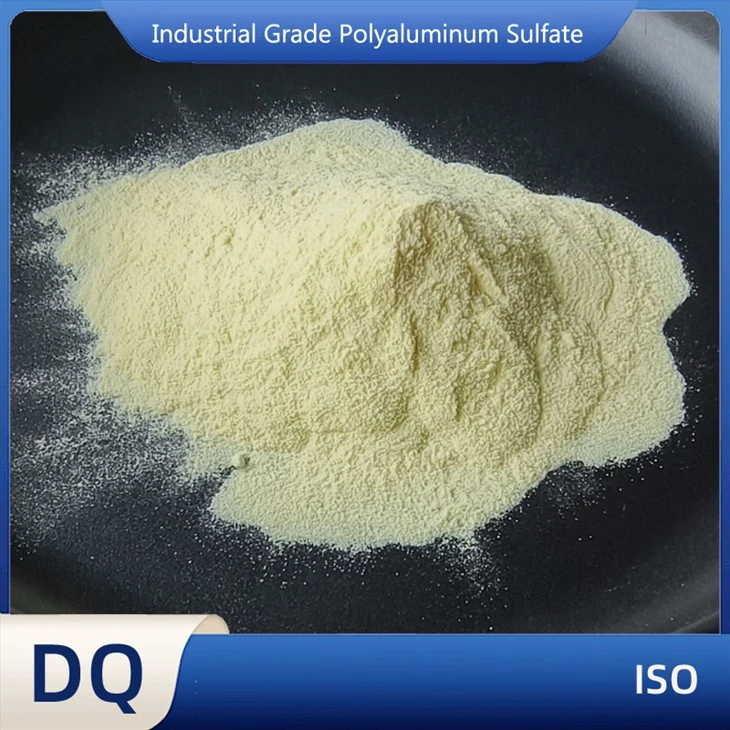
Industrial Grade Polyaluminum Sulfate is another product in the same category. It has different chemical properties and is used in different scenarios. While our Low Basicity Polyaluminum Chloride is great for water treatment and some industrial processes, Industrial Grade Polyaluminum Sulfate might be used more in certain chemical manufacturing processes.
28% Polyaluminum Chloride is also a popular product. The percentage refers to the content of aluminum oxide. Our Low Basicity Polyaluminum Chloride can be adjusted to have different aluminum oxide contents depending on the customer's needs, but it's important to note the differences between these products when making a choice.

Why Choose Our Low Basicity Polyaluminum Chloride
We take pride in our strict quality control measures. When you choose our Low Basicity Polyaluminum Chloride, you're getting a product that's reliable and effective. Our commitment to quality ensures that you'll have consistent results in your applications, whether it's water treatment, paper production, or any other industry where our product is used.
If you're in the market for high - quality Low Basicity Polyaluminum Chloride, we'd love to talk to you. We can provide you with samples for testing and discuss your specific requirements. Whether you need a small quantity for a pilot project or a large - scale supply, we've got you covered. Don't hesitate to reach out and start the conversation about how our product can meet your needs.
References
- Smith, J. (2018). Water Treatment Chemicals Handbook. Publisher XYZ.
- Johnson, A. (2020). Industrial Applications of Polyaluminum Compounds. Journal of Industrial Chemistry.


