


Hey there! As a supplier of Low Basicity Polyaluminum Chloride, I've seen firsthand how its price can fluctuate. In this blog, I'll break down the key factors that influence the price of this product.
Raw Material Costs
One of the most significant factors affecting the price of Low Basicity Polyaluminum Chloride is the cost of raw materials. The main raw materials used in its production are aluminum hydroxide, hydrochloric acid, and other chemicals. The prices of these raw materials can vary widely due to factors such as market demand, supply shortages, and geopolitical issues.
For example, if there's a sudden increase in the demand for aluminum hydroxide in other industries, the price of this raw material will likely go up. This, in turn, will increase the production cost of Low Basicity Polyaluminum Chloride, leading to a higher price for the end product.
Production Process
The production process of Low Basicity Polyaluminum Chloride also plays a crucial role in determining its price. There are different methods of producing this chemical, and each method has its own cost implications.
Some production processes are more energy - intensive, requiring large amounts of electricity or fuel. If the cost of energy rises, the overall production cost will increase, and this will be reflected in the price of the product. Additionally, more advanced production technologies may require significant investment in equipment and research. Suppliers who use these advanced methods may charge a higher price to cover their costs and make a profit.
Quality and Purity
The quality and purity of Low Basicity Polyaluminum Chloride are directly related to its price. Higher - quality products with a higher degree of purity are more expensive.
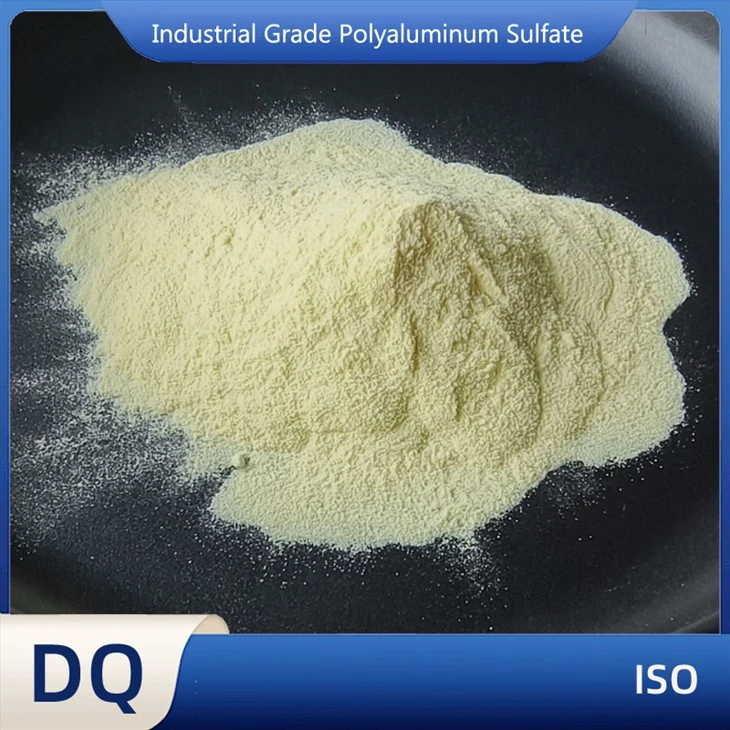

A product with a higher purity level means fewer impurities, which can lead to better performance in various applications such as water treatment. For instance, in water treatment plants, a purer form of Low Basicity Polyaluminum Chloride can more effectively remove impurities and contaminants from water, resulting in cleaner and safer water. As a result, customers are often willing to pay more for a product that offers better performance.
Market Demand and Supply
The basic economic principle of supply and demand also has a major impact on the price of Low Basicity Polyaluminum Chloride. When the demand for this product is high and the supply is low, the price will increase. Conversely, if the supply exceeds the demand, the price will likely go down.
The demand for Low Basicity Polyaluminum Chloride is influenced by various industries such as water treatment, paper manufacturing, and textile production. For example, during the rainy season, water treatment plants may require more of this chemical to treat the increased volume of water. This surge in demand can cause the price to spike.
Competition in the Market
The level of competition among suppliers is another factor that affects the price. In a highly competitive market, suppliers may lower their prices to attract more customers. They may also offer additional incentives such as discounts, free samples, or better after - sales service.
On the other hand, if there are only a few suppliers in the market, they may have more control over the price. They can set higher prices, especially if their products are considered to be of superior quality or if they have a strong brand reputation.
Transportation and Logistics
The cost of transporting Low Basicity Polyaluminum Chloride from the production facility to the customer also adds to the final price. The distance between the supplier and the customer, the mode of transportation (e.g., truck, train, or ship), and the current fuel prices all affect the transportation cost.
For example, if a customer is located in a remote area, the transportation cost will be higher due to the longer distance and potentially more difficult access. This additional cost will be factored into the price of the product.
Regulatory Requirements
Regulatory requirements can also influence the price of Low Basicity Polyaluminum Chloride. Governments around the world have different regulations regarding the production, storage, and transportation of chemicals.
Suppliers need to comply with these regulations, which may require them to invest in additional safety equipment, quality control measures, and environmental protection facilities. These compliance costs are then passed on to the customers in the form of higher prices.
Comparison with Related Products
It's also worth comparing Low Basicity Polyaluminum Chloride with related products such as 30% Polyaluminum Chloride and Medium Basicity Polyaluminum Chloride. The prices of these related products can influence the price of Low Basicity Polyaluminum Chloride.
If the price of 30% Polyaluminum Chloride drops significantly, some customers may switch to this product instead of Low Basicity Polyaluminum Chloride. To remain competitive, suppliers of Low Basicity Polyaluminum Chloride may need to adjust their prices accordingly.
Industrial Grade Variations
When considering the price, it's important to look at industrial - grade variations. Industrial Grade Polyaluminum Sulfate is another chemical used in similar applications. The price of Industrial Grade Polyaluminum Sulfate can also have an impact on the market for Low Basicity Polyaluminum Chloride.
If Industrial Grade Polyaluminum Sulfate becomes more affordable, some industries may choose to use it instead of Low Basicity Polyaluminum Chloride. This can lead to a decrease in the demand for Low Basicity Polyaluminum Chloride and put downward pressure on its price.
Conclusion
In conclusion, the price of Low Basicity Polyaluminum Chloride is influenced by a multitude of factors, including raw material costs, production processes, quality, market demand and supply, competition, transportation, regulatory requirements, and the prices of related products.
As a supplier, I understand that customers are always looking for the best value for their money. That's why we strive to offer high - quality Low Basicity Polyaluminum Chloride at a competitive price. If you're interested in purchasing our product or have any questions about its price or application, don't hesitate to reach out. We're here to help you make the right choice for your specific needs.
References
- Chemical Market Reports: Various reports on raw material prices and market trends in the chemical industry.
- Industry Journals: Articles on the production, application, and pricing of polyaluminum chloride and related chemicals.
- Government Regulatory Documents: Information on regulations affecting the production and sale of chemicals.


