


Hey there! As a polyaluminum chloride (PAC) supplier, I've been dealing with this amazing chemical for quite a while. And today, I wanna chat about the characteristics of polyaluminum chloride in terms of flocculation.
First off, let's understand what flocculation is. Flocculation is a process where small particles in a liquid clump together to form larger particles called flocs. This makes it easier to separate the solids from the liquid, which is super important in a bunch of industries like water treatment, paper - making, and mining.
One of the key characteristics of PAC in flocculation is its high efficiency. PAC can quickly neutralize the charges on the surface of suspended particles. You see, most of the small particles in water are negatively charged. PAC, being a cationic polymer, can neutralize these negative charges. Once the charges are neutralized, the particles stop repelling each other and start to come together. This whole process happens pretty fast, much faster compared to some other traditional flocculants. For example, in a water treatment plant, when PAC is added to the water, you can start seeing the formation of flocs within minutes.
Another great thing about PAC is its wide pH adaptability. Different water sources have different pH levels. Some might be acidic, some might be alkaline. PAC can work effectively over a broad pH range, usually from about 5 to 9. This is a huge advantage because it means you don't have to spend a lot of time and money adjusting the pH of the water before adding the flocculant. Whether you're treating acidic industrial wastewater or alkaline river water, PAC can still do its job of making those flocs form.

PAC also forms strong and dense flocs. The flocs formed by PAC are not those weak, easily - broken - apart ones. They are dense and heavy, which means they settle down quickly in the water. This is crucial in sedimentation tanks in water treatment plants. The faster the flocs settle, the more efficient the water treatment process becomes. You can get a clearer water output in a shorter time.
Now, let's talk about the different types of PAC. We have Low Basicity Polyaluminum Chloride. Low basicity PAC is great for situations where you need a more gentle flocculation process. It's often used in some delicate water treatment applications where you don't want to over - react with the water. For example, in the treatment of some high - value industrial process water where you need to maintain certain chemical properties of the water.
Then there's Medium Basicity Polyaluminum Chloride. Medium basicity PAC strikes a balance between reactivity and stability. It can be used in a wide variety of water treatment scenarios, from municipal water treatment to some light - industrial wastewater treatment. It offers good flocculation performance while also being cost - effective.
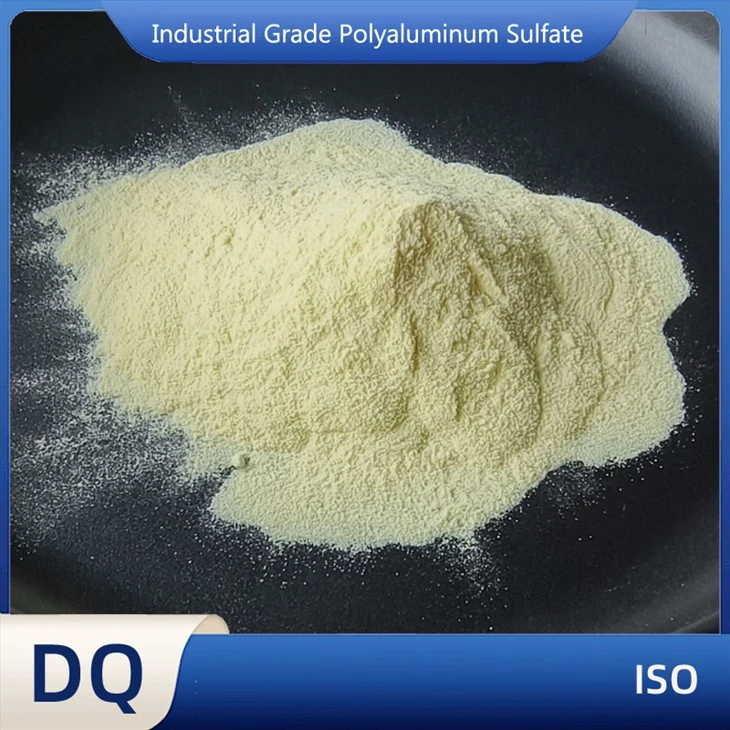
We also have Industrial Grade Polyaluminum Sulfate. This type is specifically designed for industrial applications. It has a high aluminum content and is very effective in treating industrial wastewater with high levels of suspended solids and contaminants. In industries like mining and paper - making, where the wastewater is really dirty, industrial grade polyaluminum sulfate can do a great job of removing the impurities.
In addition to its flocculation characteristics, PAC is also environmentally friendly. It doesn't leave behind a lot of harmful residues in the water. Once the flocculation process is done and the flocs are removed, the water is left relatively clean and safe. This is in contrast to some other chemical flocculants that might leave behind heavy metals or other toxic substances.
When it comes to dosage, PAC is also quite flexible. The amount of PAC you need to add depends on the nature of the water and the level of contaminants. But generally, you don't need a huge amount. A small dosage can often achieve good flocculation results. This not only saves on the cost of the flocculant but also reduces the amount of sludge produced during the water treatment process.
The storage of PAC is also relatively easy. It can be stored in a normal warehouse environment. You just need to keep it dry and away from direct sunlight. Unlike some other chemicals that require special storage conditions, PAC is pretty low - maintenance in this regard.
If you're in the market for a reliable flocculant for your water treatment or industrial processes, PAC is definitely a great choice. Whether you need Low Basicity Polyaluminum Chloride for a specific application or Industrial Grade Polyaluminum Sulfate for heavy - duty industrial wastewater treatment, we've got you covered.
We're always here to help you figure out the best type and dosage of PAC for your needs. If you're interested in learning more or want to start a purchase, don't hesitate to reach out. We can have a detailed discussion about your specific requirements and find the perfect PAC solution for you.
References:
- "Water Treatment Chemicals Handbook" by some well - known authors in the water treatment field.
- Research papers on the application of polyaluminum chloride in different industries.


