


Flocculation is a critical process in water treatment, and Poly Aluminum Sulfate (PAS) is a widely used flocculant due to its excellent performance in removing suspended solids, colloids, and other impurities from water. As a supplier of Poly Aluminum Sulfate, I understand the importance of maximizing its flocculation efficiency to meet the diverse needs of our customers. In this blog post, I will share some effective strategies to improve the flocculation efficiency of Poly Aluminum Sulfate.
Understanding the Mechanism of Flocculation
Before delving into the methods to enhance flocculation efficiency, it is essential to understand the basic mechanism of flocculation. Flocculation involves the aggregation of small particles into larger flocs, which can then be easily separated from the water by sedimentation or filtration. Poly Aluminum Sulfate works by neutralizing the surface charge of the particles, reducing the electrostatic repulsion between them, and promoting their collision and aggregation.
Factors Affecting Flocculation Efficiency
Several factors can influence the flocculation efficiency of Poly Aluminum Sulfate. These include the dosage of PAS, the pH of the water, the temperature, the presence of other chemicals, and the characteristics of the particles to be removed. By carefully controlling these factors, we can optimize the flocculation process and achieve better results.
Dosage of Poly Aluminum Sulfate
The dosage of PAS is one of the most critical factors affecting flocculation efficiency. If the dosage is too low, the particles may not be effectively neutralized, and the flocculation process will be incomplete. On the other hand, if the dosage is too high, it may lead to the formation of excessive sludge and increase the cost of treatment. Therefore, it is essential to determine the optimal dosage of PAS based on the specific characteristics of the water and the treatment requirements.
pH of the Water
The pH of the water also plays a significant role in the flocculation process. Poly Aluminum Sulfate is most effective in the pH range of 5.5 to 8.5. At lower pH values, the aluminum ions in PAS may form soluble complexes, reducing their ability to neutralize the surface charge of the particles. At higher pH values, the aluminum ions may precipitate as aluminum hydroxide, which can interfere with the flocculation process. Therefore, it is necessary to adjust the pH of the water to the optimal range before adding PAS.
Temperature
The temperature of the water can affect the flocculation efficiency of PAS. Generally, higher temperatures can increase the rate of flocculation, as the particles have more kinetic energy and are more likely to collide and aggregate. However, at very high temperatures, the flocs may become more fragile and break apart, reducing the sedimentation efficiency. Therefore, it is important to consider the temperature of the water when designing the flocculation process.
Presence of Other Chemicals
The presence of other chemicals in the water can also affect the flocculation efficiency of PAS. For example, the presence of high levels of dissolved organic matter or other anions can compete with the particles for the aluminum ions in PAS, reducing their effectiveness. In addition, the presence of certain metals or oxidizing agents can also interfere with the flocculation process. Therefore, it is necessary to analyze the water quality and identify any potential interfering substances before using PAS.
Characteristics of the Particles
The characteristics of the particles to be removed, such as their size, shape, surface charge, and density, can also affect the flocculation efficiency of PAS. Smaller particles are generally more difficult to flocculate than larger particles, as they have a higher surface area to volume ratio and are more likely to be stabilized by electrostatic repulsion. In addition, particles with a high surface charge or a non-uniform shape may also be more difficult to flocculate. Therefore, it is important to understand the characteristics of the particles and select the appropriate flocculation method and dosage of PAS.
Strategies to Improve Flocculation Efficiency
Based on the above factors, here are some strategies to improve the flocculation efficiency of Poly Aluminum Sulfate:
Optimize the Dosage
As mentioned earlier, determining the optimal dosage of PAS is crucial for achieving high flocculation efficiency. This can be done through laboratory testing and pilot-scale trials. By conducting jar tests with different dosages of PAS and measuring the turbidity, sedimentation rate, and other parameters of the treated water, we can determine the optimal dosage for a specific water source.
Adjust the pH
To ensure that the pH of the water is within the optimal range for PAS, we can use pH adjusters such as sulfuric acid or sodium hydroxide. By carefully controlling the pH, we can maximize the effectiveness of PAS and improve the flocculation efficiency.

Use a Coagulant Aid
In some cases, using a coagulant aid in combination with PAS can improve the flocculation efficiency. Coagulant aids, such as polymers or activated silica, can help to bridge the particles and form larger, more stable flocs. This can enhance the sedimentation rate and reduce the turbidity of the treated water.
Pre-Treatment of the Water
Pre-treatment of the water can also improve the flocculation efficiency of PAS. For example, filtration or sedimentation can be used to remove large particles and reduce the turbidity of the water before adding PAS. This can reduce the dosage of PAS required and improve the overall treatment efficiency.
Mixing and Contact Time
Proper mixing and contact time are essential for ensuring that the PAS is evenly distributed in the water and has sufficient time to react with the particles. Adequate mixing can be achieved using mechanical mixers or static mixers. The contact time should be sufficient to allow the particles to collide and aggregate, but not too long to cause the flocs to break apart.
Application of Poly Aluminum Sulfate in Different Industries
Poly Aluminum Sulfate has a wide range of applications in various industries, including water treatment, paper manufacturing, textile dyeing, and leather tanning. Here are some examples of how PAS is used in different industries:
Water Treatment
In water treatment, PAS is used to remove suspended solids, colloids, and other impurities from drinking water, industrial wastewater, and municipal sewage. It can effectively reduce the turbidity, color, and odor of the water, and improve its quality. Drinking Water Treatment Aluminum Sulfate is a specific type of PAS that is designed for use in drinking water treatment.
Paper Manufacturing
In paper manufacturing, PAS is used as a sizing agent to improve the strength, stiffness, and water resistance of the paper. It can also be used to control the pH of the paper pulp and reduce the formation of scale and deposits on the paper machines. Iron-free Aluminum Sulfate is often used in paper manufacturing to avoid the discoloration of the paper caused by iron ions.
Textile Dyeing
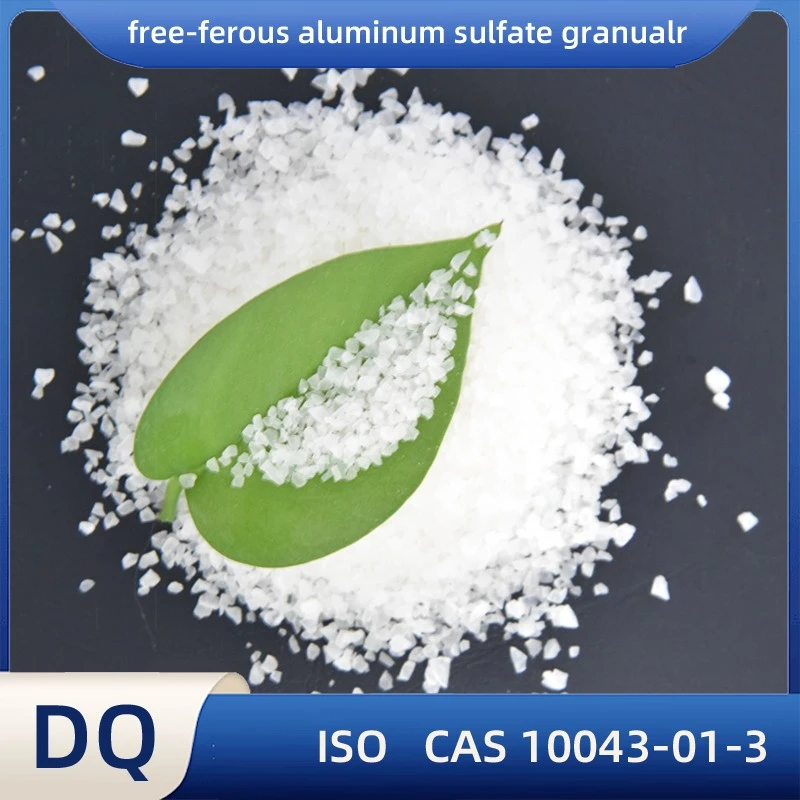
In textile dyeing, PAS is used as a mordant to fix the dyes to the fabric. It can improve the color fastness and brightness of the dyed fabric, and reduce the bleeding of the dyes. Iron-ferric Aluminum Sulfare Granular is a type of PAS that is commonly used in textile dyeing.
Leather Tanning
In leather tanning, PAS is used as a tanning agent to convert the raw hides into leather. It can improve the strength, durability, and softness of the leather, and reduce the shrinkage and deformation of the hides.
Conclusion
Improving the flocculation efficiency of Poly Aluminum Sulfate is essential for achieving high-quality water treatment and other industrial applications. By understanding the mechanism of flocculation, considering the factors that affect flocculation efficiency, and implementing the appropriate strategies, we can optimize the flocculation process and achieve better results. As a supplier of Poly Aluminum Sulfate, we are committed to providing our customers with high-quality products and technical support to help them improve their flocculation efficiency and meet their specific needs. If you are interested in purchasing Poly Aluminum Sulfate or have any questions about its application, please feel free to contact us for further discussion and negotiation.
References
- Letterman, R. D. (1999). Water Quality and Treatment: A Handbook of Community Water Supplies. McGraw-Hill.
- Gregory, J., & Baranyai, A. (2006). Coagulation and Flocculation. In Encyclopedia of Water Science (pp. 165-172). Taylor & Francis.
- Amirtharajah, A., & O’Melia, C. R. (1990). Coagulation and Flocculation. In Water Quality and Treatment: A Handbook of Community Water Supplies (pp. 3-1 to 3-46). McGraw-Hill.


