


As a supplier of Iron - ferric Aluminum Sulfate Flake, I understand the product's wide application in water treatment. However, it's essential to be aware of its disadvantages. In this blog, I'll discuss the drawbacks of using Iron - ferric Aluminum Sulfate Flake in water treatment.
Chemical Reactions and pH Imbalance
One of the significant disadvantages of Iron - ferric Aluminum Sulfate Flake is its impact on water pH. When added to water, it undergoes hydrolysis reactions. The aluminum and iron ions in the flake react with water molecules to form various hydroxide complexes. These reactions can cause a decrease in the pH of the water.
The chemical equations for the hydrolysis of aluminum and iron ions are as follows:
[Al^{3 +}+3H_{2}O\rightleftharpoons Al(OH){3}+3H^{+}]
[Fe^{3 +}+3H{2}O\rightleftharpoons Fe(OH)_{3}+3H^{+}]
The release of hydrogen ions ((H^{+})) during these reactions leads to a more acidic environment. A lower pH can have several negative consequences. For aquatic life, many species are sensitive to pH changes. A significant drop in pH can disrupt the normal physiological functions of fish, invertebrates, and other aquatic organisms. It can affect their respiration, reproduction, and overall survival.
Moreover, an acidic pH can also corrode pipes and infrastructure in the water distribution system. This corrosion can lead to the release of heavy metals such as lead and copper from the pipes into the water, posing a health risk to consumers.
Residual Metals in Treated Water
Another concern is the presence of residual metals in the treated water. Iron - ferric Aluminum Sulfate Flake contains aluminum and iron, and not all of these metals are removed during the water treatment process. Some of the aluminum and iron can remain in the water as dissolved or colloidal forms.
Excessive aluminum in drinking water has been linked to several health problems. Studies have suggested a potential association between high aluminum intake and neurological disorders such as Alzheimer's disease. Although the evidence is not conclusive, it is a cause for concern.
Similarly, high levels of iron in water can cause aesthetic problems. Iron can cause water to have a metallic taste, and it can also stain laundry, fixtures, and plumbing. In addition, iron can promote the growth of iron - bacteria, which can clog pipes and cause unpleasant odors in the water.
Formation of Sludge
When Iron - ferric Aluminum Sulfate Flake is used in water treatment, it forms flocs that settle out of the water as sludge. The formation of sludge is a necessary part of the treatment process, but it also presents several challenges.
The sludge generated during water treatment contains a large amount of aluminum, iron, and other impurities. Disposing of this sludge can be a costly and environmentally challenging task. The sludge needs to be properly treated and disposed of to prevent the release of contaminants into the environment.
In some cases, the sludge may need to be landfilled, which requires a suitable landfill site. However, landfilling can take up valuable space and may also pose a risk of leaching of contaminants into the soil and groundwater. Alternatively, the sludge can be incinerated, but this process requires energy and can release pollutants into the air if not properly controlled.
Limited Effectiveness in Some Water Conditions
Iron - ferric Aluminum Sulfate Flake may not be as effective in all water conditions. For example, in waters with high alkalinity or high organic matter content, the performance of the flake can be reduced.
In high - alkalinity waters, the carbonate and bicarbonate ions can react with the aluminum and iron ions in the flake, forming insoluble carbonate and bicarbonate salts. This can reduce the availability of the aluminum and iron for flocculation, leading to poor floc formation and less efficient removal of suspended solids.
In waters with high organic matter content, the organic substances can coat the flocs and prevent them from settling properly. This can result in a cloudy or turbid water after treatment, and additional treatment steps may be required to achieve the desired water quality.
Comparison with Other Water Treatment Chemicals
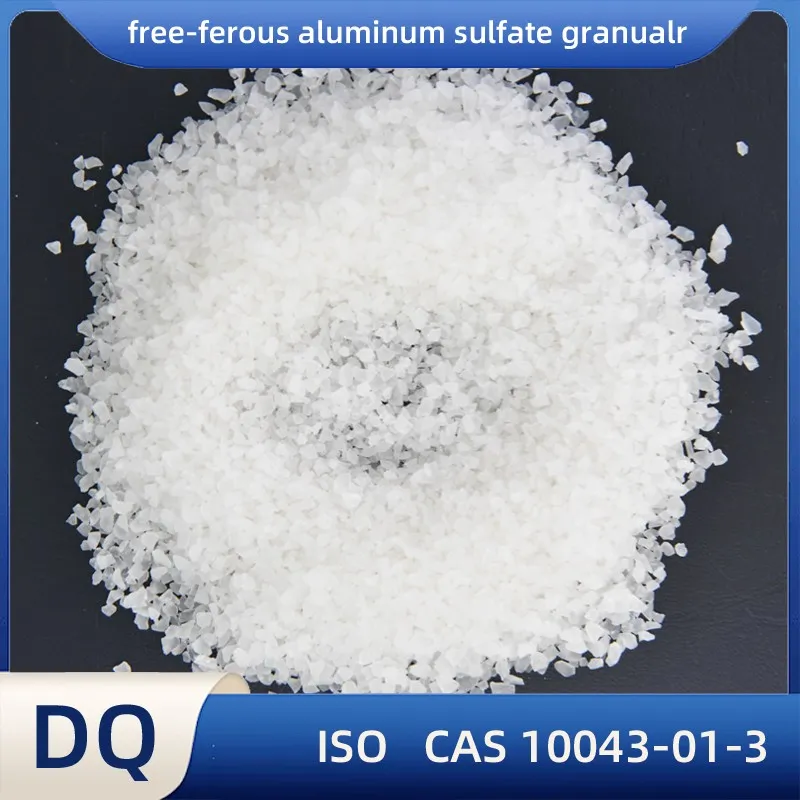
When compared to other water treatment chemicals, Iron - ferric Aluminum Sulfate Flake may have some disadvantages. For example, Iron - ferric Aluminum Sulfare Granular may offer better handling and dissolution properties in some cases. The granular form can be more easily measured and added to the water, and it may dissolve more quickly, leading to more efficient flocculation.
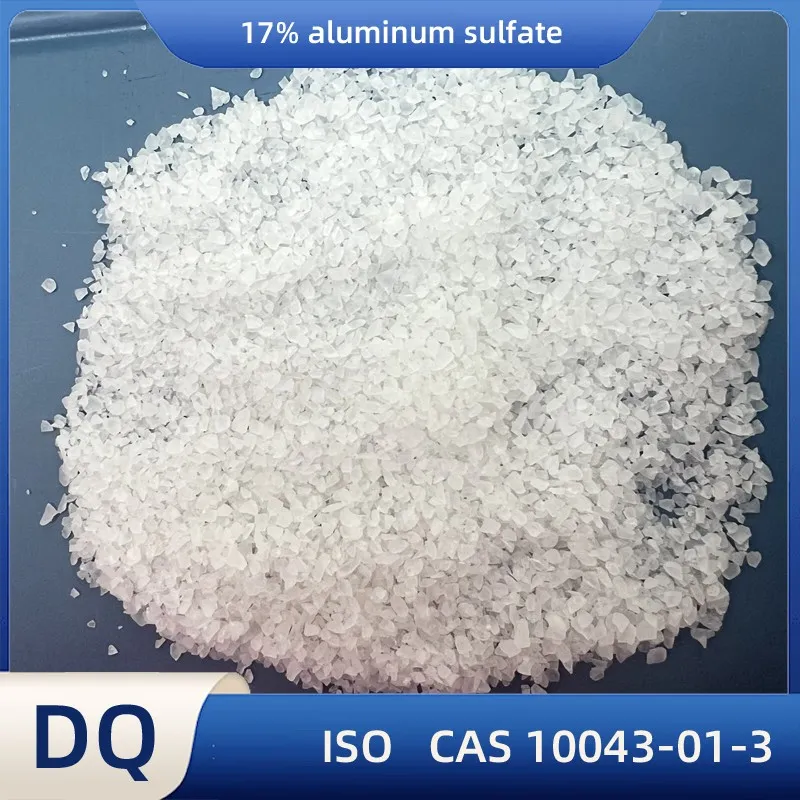
17% Aluminum Sulfate may have a different chemical composition and performance characteristics. It may be more suitable for certain water conditions or treatment requirements. Similarly, Iron - free Aluminum Sulfate can be used when the presence of iron is not desired, such as in applications where aesthetic quality is a priority.
Conclusion
Despite its wide use in water treatment, Iron - ferric Aluminum Sulfate Flake has several disadvantages. The pH imbalance, residual metals in treated water, sludge formation, and limited effectiveness in some water conditions are all factors that need to be considered.
However, it's important to note that these disadvantages do not mean that Iron - ferric Aluminum Sulfate Flake should not be used at all. In many cases, it can still be an effective and cost - efficient water treatment chemical when used appropriately. By understanding its limitations and taking appropriate measures to mitigate the negative effects, we can ensure that the water treatment process is both effective and safe.
If you are interested in learning more about our Iron - ferric Aluminum Sulfate Flake or other water treatment products, or if you have any questions regarding water treatment, please feel free to contact us for a detailed discussion and potential procurement. We are committed to providing high - quality products and professional solutions to meet your water treatment needs.
References
- "Aluminum in Drinking - Water." World Health Organization, 2011.
- "The Impact of pH on Aquatic Ecosystems." Environmental Protection Agency, 2004.
- "Water Treatment Chemicals: A Guide to Their Use and Handling." American Water Works Association, 2016.


