


Hey there! As a supplier of Non - ferric Aluminum Sulfate, I've seen firsthand the amazing benefits it brings to the paper industry. In this blog, I'm gonna break down why this stuff is a game - changer for paper manufacturers.
1. Improved Paper Brightness
One of the most significant advantages of using Non - ferric Aluminum Sulfate in the paper industry is its ability to enhance paper brightness. Ferric ions in regular aluminum sulfate can cause discoloration over time, especially when exposed to light. But Non - ferric Aluminum Sulfate, as the name suggests, is free from these ferric ions. This means that the paper produced with it maintains a high level of whiteness and brightness.
Paper mills that use our Non - ferric Aluminum Sulfate have noticed a significant improvement in the appearance of their products. Whether it's for high - quality printing paper, glossy magazines, or even packaging materials, the bright and clean look is a huge selling point. Customers are more likely to be attracted to products that look sharp and vibrant, and Non - ferric Aluminum Sulfate helps achieve just that.
2. Better Sizing Efficiency
Sizing is a crucial process in paper manufacturing. It helps control the paper's absorbency, which is important for things like inkjet printing and writing. Non - ferric Aluminum Sulfate plays a key role in improving sizing efficiency.
When added to the paper pulp, it reacts with the sizing agents to form a more stable and effective sizing layer on the paper fibers. This layer reduces the paper's tendency to absorb water and ink, resulting in better print quality. For example, in inkjet printing, the ink doesn't spread or bleed on the paper, giving crisp and clear images.
Moreover, the improved sizing efficiency means that less sizing agent is needed overall. This can lead to cost savings for paper manufacturers. They can produce high - quality paper with less input, which is a win - win situation for both the bottom line and the environment.
3. Reduced Corrosion in Equipment
Another great advantage is that Non - ferric Aluminum Sulfate is less corrosive compared to its ferric - containing counterparts. In paper mills, the equipment is constantly in contact with various chemicals and solutions. Ferric ions in regular aluminum sulfate can accelerate the corrosion process, leading to damage to pipes, tanks, and other machinery.
By using Non - ferric Aluminum Sulfate, paper manufacturers can extend the lifespan of their equipment. They don't have to worry as much about frequent repairs and replacements due to corrosion. This not only saves money but also reduces downtime. When the equipment is running smoothly, production can continue without major interruptions, ensuring a steady supply of paper products to the market.
4. Enhanced Retention of Fillers and Fibers
Fillers and fibers are essential components in paper production. Fillers like calcium carbonate are used to improve the paper's opacity, smoothness, and printability. Fibers provide the strength and structure of the paper.
Non - ferric Aluminum Sulfate helps in better retention of these fillers and fibers in the paper pulp. It acts as a coagulant, causing the fillers and fibers to clump together and be more easily retained on the paper machine's wire. This means that more of the valuable materials end up in the final paper product, rather than being lost in the wastewater.
As a result, paper manufacturers can use more fillers in the pulp without sacrificing the paper's strength. This can lead to cost savings as fillers are generally cheaper than fibers. At the same time, the paper still maintains its quality and performance characteristics.
5. Compatibility with Different Pulp Types
Whether it's virgin pulp from wood, recycled pulp, or a combination of both, Non - ferric Aluminum Sulfate is highly compatible. This flexibility is a huge advantage for paper manufacturers who use different types of pulp in their production processes.
In the case of recycled pulp, which often contains a variety of contaminants and impurities, Non - ferric Aluminum Sulfate can still perform effectively. It helps in removing some of these impurities and improving the overall quality of the recycled paper. This is important as the demand for recycled paper products is on the rise, and manufacturers need a reliable chemical that can work well with recycled materials.
6. Environmental Benefits
In today's world, environmental concerns are at the forefront of many industries, including paper manufacturing. Non - ferric Aluminum Sulfate has several environmental advantages.
First, as mentioned earlier, its use can lead to reduced chemical consumption. Less sizing agent and other chemicals are needed due to its improved efficiency. This means less waste and fewer chemicals being released into the environment.
Second, because it helps in better retention of fillers and fibers, there is less material lost in the wastewater. This reduces the load on the wastewater treatment systems in paper mills. Cleaner wastewater can be more easily treated and discharged, minimizing the impact on local water sources.

Product Availability
We offer Non - ferric Aluminum Sulfate in different forms to meet the diverse needs of our customers. We have Aluminum Sulfate Granular 1 - 8mm, which is easy to handle and store. The granular form is great for mills that prefer a solid product for their processes.
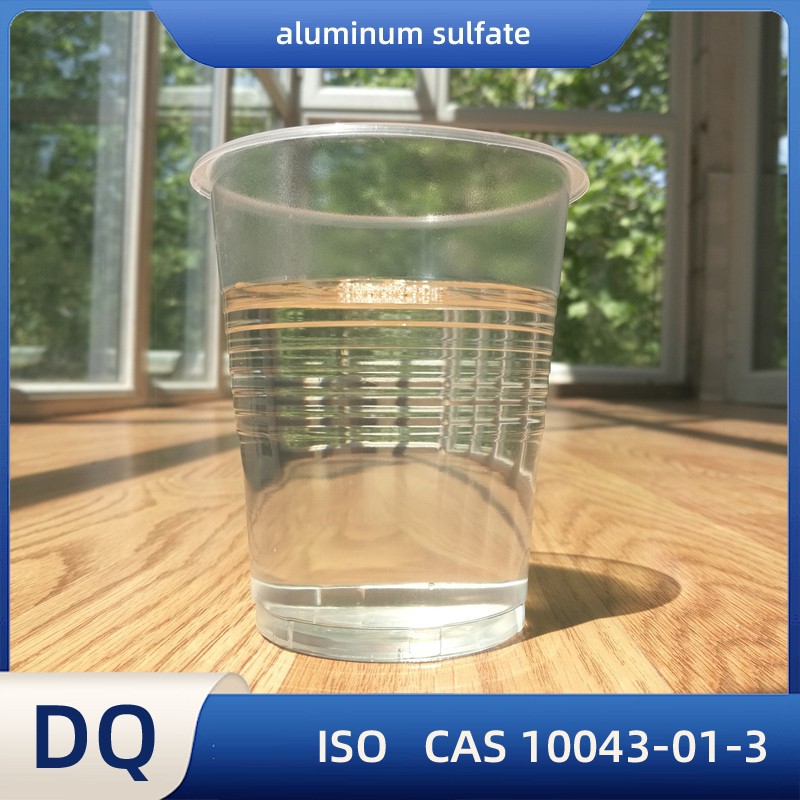
We also have Liquid Aluminum Sulfate, which can be more convenient for some applications. It can be easily mixed with the paper pulp and quickly dispersed throughout the system.
Let's Talk Business
If you're in the paper industry and looking to improve your paper quality, reduce costs, and be more environmentally friendly, Non - ferric Aluminum Sulfate is the way to go. I'd love to have a chat with you about how our product can fit into your manufacturing process. Whether you have questions about the product, need a sample, or want to discuss pricing and delivery options, don't hesitate to reach out. Let's work together to take your paper production to the next level.
References
- "Handbook of Pulp and Paper Technology" - A comprehensive guide on paper manufacturing processes and the role of various chemicals.
- "Journal of Paper Science and Technology" - Contains research articles on the latest developments in the paper industry, including the use of Non - ferric Aluminum Sulfate.


