


Is liquid aluminum sulfate hazardous? As a supplier of liquid aluminum sulfate, this is a question I often encounter from customers. In this blog, I'll delve into the properties of liquid aluminum sulfate, its potential hazards, and safety measures, aiming to provide a comprehensive understanding of this chemical.

Understanding Liquid Aluminum Sulfate
Liquid aluminum sulfate, with the chemical formula Al₂(SO₄)₃, is a common industrial chemical. It is usually produced by reacting aluminum hydroxide with sulfuric acid. This liquid form is highly soluble in water and has a wide range of applications across various industries.
One of the primary uses of liquid aluminum sulfate is in water treatment. It acts as a coagulant, helping to remove suspended solids, organic matter, and colloidal particles from water. By neutralizing the charges on these particles, it causes them to clump together, making them easier to filter out. This process is crucial for ensuring clean and safe drinking water, as well as treating wastewater before it is released back into the environment.
In the paper industry, liquid aluminum sulfate is used as a sizing agent. It helps to improve the paper's strength, smoothness, and printability. It also plays a role in controlling the pH of the papermaking process, which is essential for achieving the desired paper quality.
Another significant application is in the textile industry. It is used in dyeing and printing processes to fix dyes onto fabrics, ensuring better color fastness and preventing the dyes from bleeding.
Potential Hazards of Liquid Aluminum Sulfate
While liquid aluminum sulfate has many beneficial uses, it is important to be aware of its potential hazards.
Chemical Burns
Liquid aluminum sulfate is a strong acid salt. When it comes into contact with the skin or eyes, it can cause severe irritation and chemical burns. The acidic nature of the solution can break down the skin's protective barrier, leading to pain, redness, and blistering. If it gets into the eyes, it can cause damage to the cornea and other eye tissues, potentially leading to vision loss if not treated promptly.
Inhalation Risks
Inhalation of the mist or vapor of liquid aluminum sulfate can be harmful to the respiratory system. It can cause irritation to the nose, throat, and lungs, leading to coughing, wheezing, shortness of breath, and chest tightness. Prolonged or repeated exposure to high concentrations of the fumes may increase the risk of developing respiratory diseases such as bronchitis and asthma.
Environmental Impact
Liquid aluminum sulfate can also have an impact on the environment. If it is released into water bodies in large quantities, it can lower the pH of the water, making it more acidic. This can be harmful to aquatic life, as many aquatic organisms are sensitive to changes in pH. It can also affect the growth and survival of plants and other organisms in the water ecosystem.
Safety Measures When Handling Liquid Aluminum Sulfate
To minimize the risks associated with liquid aluminum sulfate, it is essential to follow proper safety procedures when handling it.
Personal Protective Equipment (PPE)
When working with liquid aluminum sulfate, it is crucial to wear appropriate PPE. This includes chemical-resistant gloves, goggles, and a face shield to protect the skin and eyes from contact. A respirator may also be necessary if there is a risk of inhaling the fumes, especially in poorly ventilated areas.
Ventilation
Ensure that the work area is well-ventilated. This can help to reduce the concentration of the fumes in the air and prevent inhalation exposure. If possible, use local exhaust ventilation systems to capture and remove the fumes at the source.
Storage and Handling
Liquid aluminum sulfate should be stored in a cool, dry, and well-ventilated area, away from incompatible substances such as strong bases and reducing agents. It should be kept in a tightly sealed container to prevent spills and leaks. When handling the liquid, use appropriate equipment such as pumps and hoses, and avoid splashing or spilling it.
First Aid
In case of accidental exposure, it is important to know the appropriate first aid measures. If the liquid comes into contact with the skin, immediately flush the affected area with plenty of water for at least 15 minutes. Remove any contaminated clothing and seek medical attention if the irritation persists. If it gets into the eyes, flush the eyes with water for at least 15 minutes, holding the eyelids open to ensure thorough rinsing, and seek immediate medical help.
Safety Standards and Regulations
There are strict safety standards and regulations in place regarding the handling, storage, and transportation of liquid aluminum sulfate. These regulations are designed to protect workers, the public, and the environment.
In many countries, employers are required to provide proper training to their employees on the safe handling of chemicals, including liquid aluminum sulfate. They must also ensure that the workplace has appropriate safety measures in place, such as emergency eyewash stations and safety showers.
Transportation of liquid aluminum sulfate is also regulated. It must be transported in approved containers and vehicles, and proper labeling and documentation are required to ensure that the carriers and handlers are aware of the potential hazards.
Our Commitment as a Supplier
As a supplier of liquid aluminum sulfate, we are committed to ensuring the safety of our customers and the environment. We adhere to all relevant safety standards and regulations in the production, packaging, and transportation of our products.
We provide detailed safety data sheets (SDS) for all our products, which include information on the chemical properties, potential hazards, safety precautions, and first aid measures. Our sales team is also trained to provide our customers with accurate and comprehensive information on the safe use of our products.
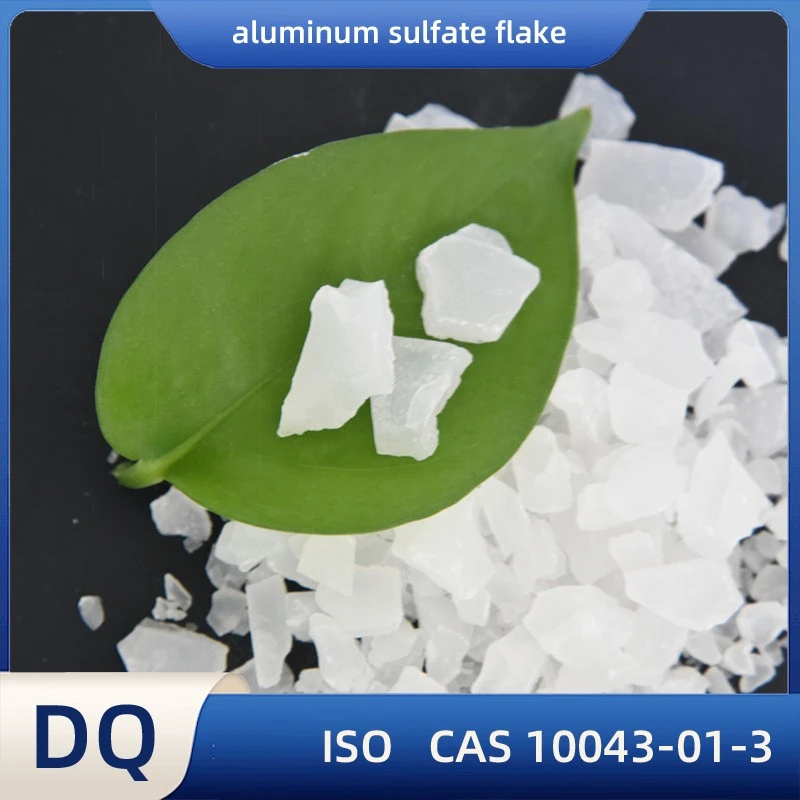
In addition, we offer a range of other aluminum sulfate products, such as Aluminum Sulfate Flake, Aluminum Sulfate18-Hyfrate, and Aluminum Sulfate Granular 1 - 8mm. These products have different physical forms and properties, but they also have similar applications and safety considerations.
Conclusion
In conclusion, while liquid aluminum sulfate is a useful chemical with many important applications, it does pose certain hazards. However, with proper safety measures and handling procedures, these risks can be effectively managed.
If you are considering purchasing liquid aluminum sulfate or any of our other aluminum sulfate products, we encourage you to contact us for more information. Our team of experts is ready to assist you with your specific needs and provide you with the best solutions. We can also offer guidance on the safe use and storage of our products to ensure your safety and the success of your operations.
References
- "Aluminum Sulfate: Properties, Uses, and Safety." Chemical Safety Handbook.
- "Occupational Safety and Health Administration (OSHA) Standards for Chemical Handling." OSHA Publications.
- "Environmental Protection Agency (EPA) Guidelines for Chemical Releases." EPA Reports.


