


Hey there! As a supplier of Iron-free Aluminum Sulfate, I know how crucial it is to transport this chemical safely. Iron-free Aluminum Sulfate is widely used in various industries, like water treatment, paper manufacturing, and textile production. But moving it around isn't as simple as just putting it in a truck and driving off. In this blog, I'll share some tips on how to transport Iron-free Aluminum Sulfate safely.
Understanding Iron-free Aluminum Sulfate
First things first, let's understand what Iron-free Aluminum Sulfate is. It's a chemical compound with the formula Al₂(SO₄)₃. The “iron-free” part is important because it means the product has a very low iron content, which is essential for applications where iron can cause discoloration or other unwanted effects.
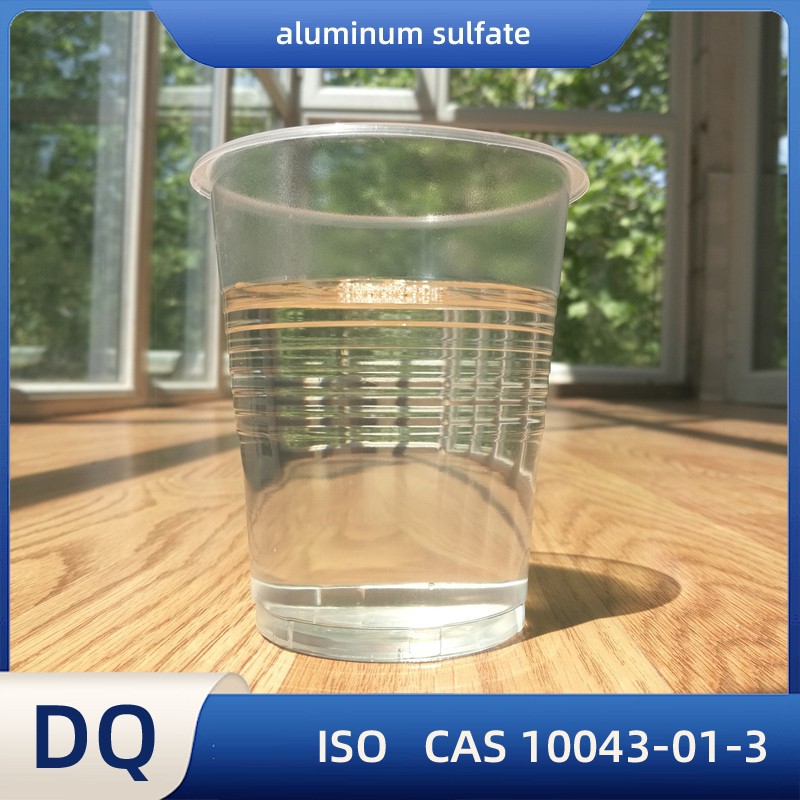
This chemical comes in different forms, such as Poly Aluminum Sulfate, Aluminum Sulfate Granular, and Non-ferric Aluminum Sulfate. Each form has its own characteristics, but they all need to be handled with care during transportation.
Packaging
The right packaging is the first step in safe transportation. Iron-free Aluminum Sulfate should be packed in containers that can withstand the chemical's properties. For solid forms, like granules, high - density polyethylene (HDPE) bags or drums are commonly used. These containers are resistant to corrosion and can prevent leaks.
For liquid forms, stainless - steel tanks or plastic containers with tight - fitting lids are ideal. The containers should be labeled clearly with the name of the chemical, its hazards, and handling instructions. This helps the transport personnel to know exactly what they're dealing with and how to handle it safely.
Storage During Transportation
During transportation, proper storage conditions are vital. Iron-free Aluminum Sulfate should be kept in a cool, dry place. Exposure to moisture can cause the chemical to clump or react, which can be dangerous. If the product is being transported in a truck, the truck should be well - ventilated to prevent the build - up of fumes.
Also, it's important to separate Iron-free Aluminum Sulfate from incompatible substances. For example, it should not be stored near strong alkalis or reducing agents, as these can react with the chemical and cause a hazardous situation.
Handling Procedures
The people handling Iron-free Aluminum Sulfate during transportation need to be trained properly. They should wear appropriate personal protective equipment (PPE), such as gloves, goggles, and protective clothing. When loading and unloading the product, they should use proper lifting equipment to avoid spills.
In case of a spill, there should be a spill response plan in place. This plan should include steps for containing the spill, cleaning it up safely, and disposing of the contaminated materials properly.

Regulatory Compliance
Transporting Iron-free Aluminum Sulfate means complying with a bunch of regulations. These regulations are in place to protect the environment and the people involved in the transportation process. You need to make sure that all the necessary permits are obtained before starting the transportation.
Also, the transportation vehicle should meet all the safety standards. This includes having proper emergency equipment on board, like fire extinguishers and spill - containment kits.
Insurance
Getting insurance for the transportation of Iron-free Aluminum Sulfate is a smart move. Accidents can happen, and having insurance can protect you from financial losses in case of a spill, damage to the product, or any other unforeseen events. Make sure to choose an insurance policy that covers all the potential risks associated with transporting this chemical.
Documentation
Proper documentation is essential for the safe transportation of Iron-free Aluminum Sulfate. This includes a bill of lading that clearly states the quantity, type, and destination of the product. There should also be a safety data sheet (SDS) available, which provides detailed information about the chemical's properties, hazards, and emergency response procedures.
Emergency Response
Even with all the precautions in place, emergencies can still occur. That's why it's important to have an emergency response plan. The plan should include contact information for emergency services, as well as procedures for evacuating the area in case of a major spill or fire.
All the transport personnel should be familiar with the emergency response plan and know what to do in case of an emergency. Regular drills can be conducted to ensure that everyone is prepared.
Monitoring the Shipment
During transportation, it's a good idea to monitor the shipment. You can use tracking devices to keep an eye on the location and condition of the product. This can help you detect any potential problems early and take appropriate action.
Conclusion
Transporting Iron-free Aluminum Sulfate safely requires a combination of proper packaging, storage, handling, regulatory compliance, and emergency preparedness. By following these tips, you can minimize the risks associated with transporting this chemical.
If you're in the market for high - quality Iron-free Aluminum Sulfate and want to discuss your procurement needs, I'd love to talk to you. Whether you need Poly Aluminum Sulfate, Aluminum Sulfate Granular, or Non-ferric Aluminum Sulfate, we've got you covered. Reach out to me, and let's start a conversation about how we can meet your requirements.
References
- Chemical Safety Guidelines for Aluminum Compounds. National Chemical Safety Council.
- Transportation Regulations for Hazardous Chemicals. Department of Transportation.


