


How much Aluminum Sulfate Powder should be applied to the soil?
Hey there! I'm a supplier of Aluminum Sulfate Powder, and I often get asked this question: "How much Aluminum Sulfate Powder should be applied to the soil?" Well, let's dig into this topic and find out.
First off, Aluminum Sulfate Powder is a pretty useful thing when it comes to soil. It can be used to lower the pH of alkaline soils, making them more acidic. This is great for plants that prefer acidic conditions, like blueberries, azaleas, and rhododendrons.
The amount of Aluminum Sulfate Powder you need to apply depends on a few factors. One of the most important ones is the current pH of your soil. You can easily test the soil pH using a soil testing kit, which you can buy at most garden centers. If your soil is highly alkaline, you'll probably need to use more powder to get the desired pH level.
Another factor is the type of plants you're growing. Different plants have different preferences when it comes to soil acidity. For example, blueberries thrive in soil with a pH between 4.0 and 5.0. So, if you're growing blueberries, you'll need to make sure your soil is acidic enough. On the other hand, some plants can tolerate a wider range of pH levels.
Let's talk about some general guidelines. If you're looking to slightly lower the pH of your soil, you can start by applying about 1 to 2 pounds of Aluminum Sulfate Powder per 100 square feet of soil. You can spread the powder evenly over the soil surface and then work it into the top few inches of soil using a rake or a tiller.

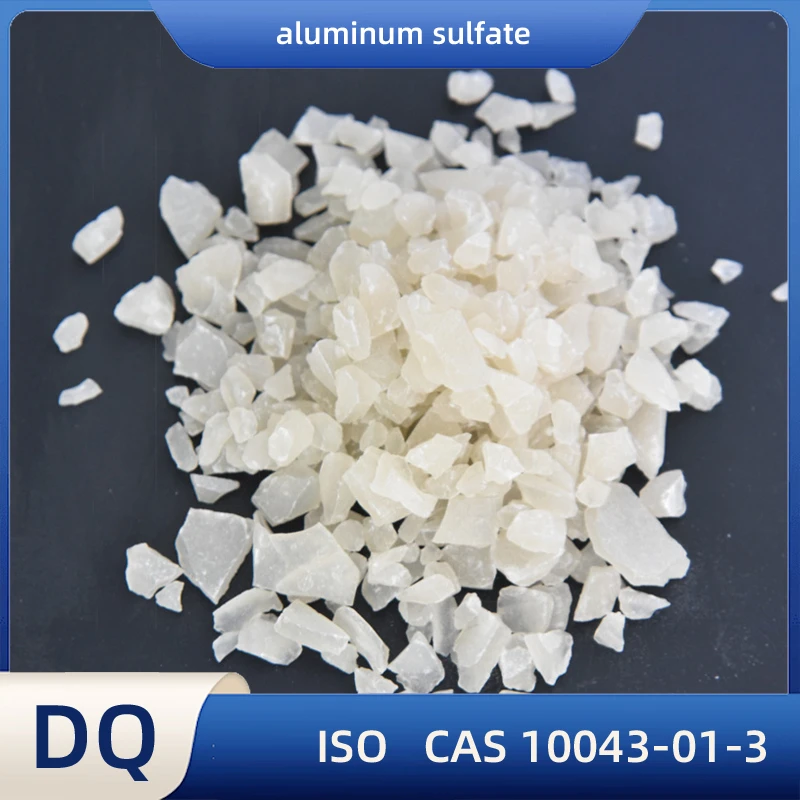
If your soil is extremely alkaline and you need to make a significant change in the pH, you might need to use more powder. In some cases, you could apply up to 5 pounds per 100 square feet. However, it's important not to overdo it. Applying too much Aluminum Sulfate Powder can lead to aluminum toxicity in the soil, which can be harmful to plants.
It's also a good idea to re - test the soil pH after a few weeks to see if you've reached the desired level. If not, you can make additional applications, but do it in small increments.
Now, let me tell you a bit about the different types of Aluminum Sulfate Powder we offer. We have Poly Aluminum Sulfate, which has some unique properties and can be very effective in soil treatment. It's often used in water treatment as well, but it can also work wonders in the garden.
Our Aluminum Sulfate Powder is of high quality and is a popular choice among gardeners. It's easy to apply and can quickly start to change the soil pH.
We also have Non - ferric Aluminum Sulfate, which is great if you're worried about iron staining or if your plants are sensitive to iron.
When you're applying Aluminum Sulfate Powder, it's important to follow some safety precautions. Wear gloves and a dust mask to avoid inhaling the powder or getting it on your skin. And make sure to keep it out of reach of children and pets.
If you're still not sure how much Aluminum Sulfate Powder to apply to your soil, don't worry. You can always reach out to us. We have a team of experts who can help you based on your specific soil conditions and the plants you're growing.
Whether you're a professional gardener or just someone with a small backyard garden, getting the right amount of Aluminum Sulfate Powder is crucial for the health of your plants. So, take the time to test your soil, understand your plants' needs, and make the right application.
If you're interested in purchasing Aluminum Sulfate Powder, we're here to help. We offer competitive prices and high - quality products. Contact us to start a conversation about your needs, and we'll work with you to find the best solution for your soil and your plants.
References:
- "Soil Science for Gardeners" by some well - known soil scientist.
- Various gardening magazines and online resources about soil treatment.


