


Hey there, fellow gardening and agriculture enthusiasts! I'm [Your Name], and I'm part of a team that supplies Aluminum Sulfate Flake. Today, I want to dig deep and talk about a hot topic: Can Aluminum Sulfate Flake be used as a soil conditioner?
First off, let's get to know Aluminum Sulfate Flake a bit better. It's a white, crystalline solid that's highly soluble in water. We often see it used in water treatment to clarify water by removing impurities. But what about its role in the soil?
In the world of gardening and agriculture, soil quality is crucial. The right soil conditions can make or break a crop. So, let's start by looking at the properties of Aluminum Sulfate Flake and how they might interact with the soil.
One of the main things that Aluminum Sulfate Flake can do is lower the soil pH. Many plants, like blueberries, azaleas, and rhododendrons, thrive in acidic soil. By adding Aluminum Sulfate Flake to the soil, we can create a more acidic environment that these plants love. When Aluminum Sulfate dissolves in water, it releases aluminum ions and sulfate ions. The aluminum ions can react with water molecules in the soil, producing hydrogen ions. These hydrogen ions increase the acidity of the soil, which in turn can enhance the availability of certain nutrients to plants.
Another benefit of using Aluminum Sulfate Flake as a soil conditioner is its ability to improve soil structure. When added to the soil, it can help to flocculate or clump together the soil particles. This is especially useful in heavy clay soils, which tend to be compacted and have poor drainage. By improving the soil structure, water and air can penetrate more easily, allowing plant roots to grow more freely and access the nutrients they need.

But, like anything in gardening and agriculture, there are also some potential drawbacks to using Aluminum Sulfate Flake as a soil conditioner. One of the main concerns is the toxicity of aluminum to plants. While some plants can tolerate higher levels of aluminum, others are very sensitive. If too much Aluminum Sulfate Flake is added to the soil, it can lead to aluminum toxicity, which can cause stunted growth, yellowing of leaves, and even death in some plants.
Another thing to keep in mind is that Aluminum Sulfate Flake can also affect the soil's nutrient balance. It can reduce the availability of certain nutrients, such as phosphorus, calcium, and magnesium, by binding to them. This means that if you're using Aluminum Sulfate Flake to lower the soil pH, you may also need to add additional fertilizers to ensure that your plants are getting all the nutrients they need.
So, how do you use Aluminum Sulfate Flake as a soil conditioner safely and effectively? The first step is to test your soil. You can buy a soil testing kit at your local garden center or send a sample of your soil to a professional laboratory for analysis. This will give you an accurate reading of your soil's pH and nutrient levels, which will help you determine how much Aluminum Sulfate Flake to add.
Once you know your soil's pH, you can calculate the amount of Aluminum Sulfate Flake needed to achieve the desired pH level. As a general rule, you'll need to add about 1 to 2 pounds of Aluminum Sulfate Flake per 100 square feet of soil to lower the pH by one unit. However, this can vary depending on the type of soil and the specific plants you're growing.
It's also important to apply Aluminum Sulfate Flake evenly to the soil. You can do this by spreading it over the soil surface and then working it into the top few inches of soil using a rake or a tiller. Make sure to water the soil thoroughly after applying the Aluminum Sulfate Flake to help it dissolve and distribute evenly.
Now, I mentioned earlier that we supply Aluminum Sulfate Flake. But we also have other related products that might interest you. For example, if you prefer a different form of aluminum sulfate, we have Aluminum Sulfate Powder. It has similar properties to the flake form but may be easier to dissolve and apply in some cases.
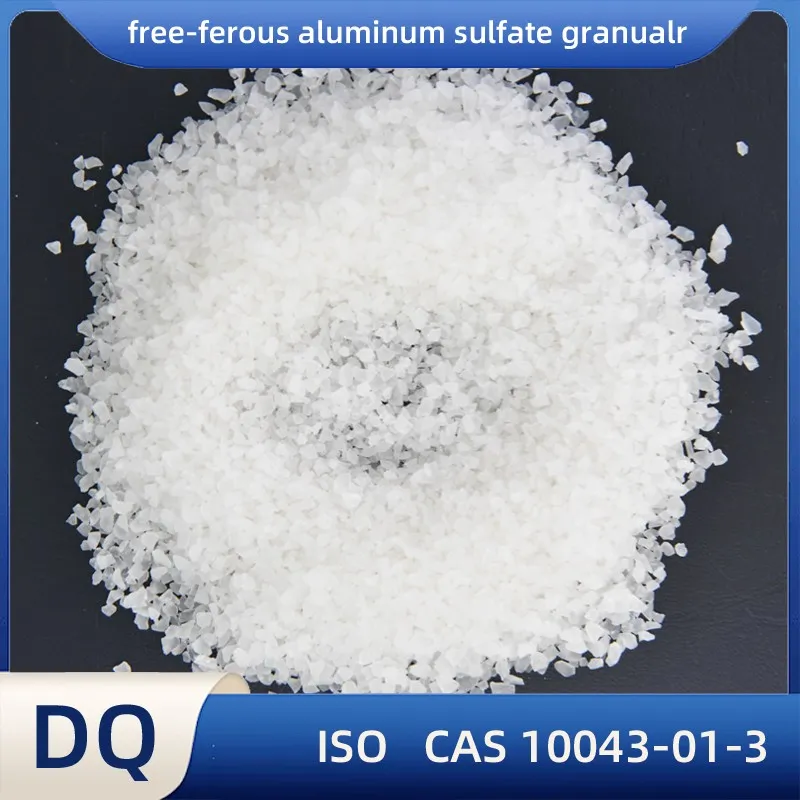
We also offer 17% Aluminum Sulfate, which is a specific formulation that can be tailored to different soil and plant needs. And if you're looking for a more specialized product, we have Iron-ferric Aluminum Sulfare Granular, which can provide additional benefits in terms of soil fertility and plant growth.
In conclusion, Aluminum Sulfate Flake can be a useful soil conditioner, especially if you're looking to lower the soil pH and improve soil structure. However, it's important to use it carefully and in the right amounts to avoid any negative effects on your plants. If you're interested in learning more about our Aluminum Sulfate Flake or any of our other products, or if you have any questions about using them in your garden or farm, don't hesitate to reach out. We're here to help you make the most of your soil and grow healthy, thriving plants.
References
- Brady, N. C., & Weil, R. R. (2008). The nature and properties of soils. Pearson Prentice Hall.
- Marschner, P. (2012). Mineral nutrition of higher plants. Academic press.


