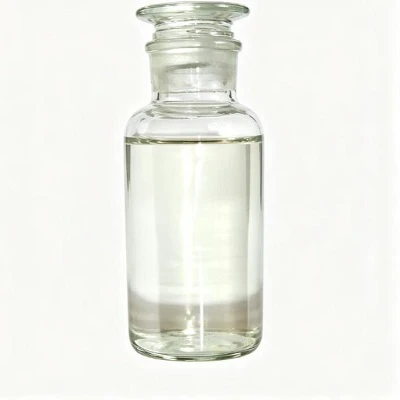
Zibo Dingqi Chemicals Co., Ltd. is one of the most experienced manufacturers and suppliers of iron-free aluminum sulfate solution in China. Welcome to wholesale high quality iron-free aluminum sulfate solution made in China here from our factory. For price consultation, contact us.
Product Overview
Iron-Free Aluminum Sulfate Solution is a liquid aluminum-based coagulant engineered for coagulation and clarification in water and wastewater treatment. Unlike conventional aluminum sulfate grades containing higher levels of iron, this non-ferric grade is specifically selected when iron impurities and related coloration must be tightly controlled.
The liquid format is designed for continuous chemical dosing systems, eliminating the labor, time, and safety risks associated with dissolving and handling solid dry aluminum sulfate on-site.
Technical Specification
|
Item |
Specification Parameter |
|
Product Name |
Iron-Free Aluminum Sulfate Solution |
|
Synonyms |
Non-Ferric Aluminum Sulfate Solution, Liquid Non-Ferric Alum, Liquid Aluminum Sulfate |
|
Chemical Substance |
Aluminum Sulfate |
|
CAS Number |
10043-01-3 |
|
Chemical Formula |
Al2(SO4)3 |
|
Physical Form |
Clear liquid solution |
|
Appearance |
Clear to slightly hazy liquid, dependent on exact concentration |
|
Al2O3 Content |
Customized based on agreed technical specifications |
|
Iron (Fe) Content |
Controlled low-iron specification |
|
Insoluble Matter |
Minimized to prevent pipeline and pump clogging |
|
PH Value |
Supplied per agreed technical parameters |
|
Density / Specific Gravity |
Detailed on the applicable technical data sheet |
|
Packaging Options |
Bulk tankers, IBC totes, and specialized liquid containers |
Why Select an Iron-Free Aluminum Sulfate Solution?
The fundamental distinction between standard industrial aluminum sulfate and a non-ferric grade lies in iron impurity control. While standard grades are sufficient for general applications, iron-sensitive processes require stringent impurity thresholds.
Controlled Iron Impurities: Minimizes the risk of iron-induced discoloration or downstream chemical interference.
Direct Liquid Dosing: Integrates seamlessly into automated metering pumps and chemical injection skids without preparation tanks.
Operational Safety: Removes the dust hazards and manual handling associated with breaking down solid flakes, granules, or powders.
Consistent Reaction Kinetics: Liquid solutions disperse rapidly into water streams, optimizing coagulation efficiency.
Typical Applications
Drinking Water Treatment
Aluminum sulfate serves as a primary coagulant in potable water treatment plants. The reactive aluminum species destabilize suspended colloidal particles, promoting rapid micro-floc formation for subsequent sedimentation and filtration. An iron-free grade is utilized when strict control over iron residuals in treated drinking water is mandated.
Verification of local chemical standards and drinking water certifications is recommended prior to commercial application.
Municipal Wastewater Treatment
Employed across municipal sewage and wastewater facilities to achieve:
Primary clarification and suspended solids reduction
Chemical phosphorus removal via precipitation
Effluent polishing before discharge or reuse
Dosing rates vary based on raw water alkalinity, pH, initial turbidity, and phosphorus loading.
Industrial Wastewater Treatment
Applied across manufacturing, textile, and processing facilities where suspended matter, emulsified organics, or heavy colloidal loads must be destabilized and separated via clarification or dissolved air flotation. Jar testing is strongly advised to determine optimal dosing parameters.
Paper and Process Industries
Utilized in specialized pulp and paper applications where residual iron ions would otherwise degrade paper brightness, react with dyes, or cause equipment scaling.
Production Process and Raw Material Control
The manufacturing route directly dictates solution purity, stability, and absence of unwanted contaminants.
Raw Material Selection: Produced using high-purity aluminum-bearing raw materials (such as aluminum hydroxide or refined alumina trihydrate) reacted with high-grade sulfuric acid, avoiding the heavy metal and high-iron impurities associated with lower-grade raw minerals.
Process Flow: Reaction - Controlled Digestion - Multi-Stage Precision Filtration - Concentration Adjustment - Final Impurity Removal - Batch Testing - Finished Solution Release.
Filtration Stage: The liquid passes through fine filtration systems to eliminate suspended particles, ensuring the final product remains free of sediments that could clog downstream dosing pumps or injection valves.
Storage and Handling Recommendations
Proper facility compatibility is essential for safe handling and longevity of chemical infrastructure:
Storage Materials: Compatible with cross-linked high-density polyethylene, fiberglass-reinforced plastic with suitable vinyl ester resins, and rubber-lined or stainless-steel tanks (depending on precise concentration and temperature).
Temperature Management: Liquid solutions should be stored within recommended temperature ranges to prevent crystallization or freezing during winter operations.
Personnel Protection: Standard chemical handling PPE, including eye protection, chemical-resistant gloves, and protective aprons, must be utilized during unloading and maintenance.
Quality Assurance and Documentation
Industrial chemical procurement relies on verified documentation rather than generalized claims. Standard documentation packages supplied with shipments include:
Technical Data Sheet (TDS)
Safety Data Sheet (SDS)
Certificate of Analysis (COA) (Batch-specific test results confirming Al2O3, Fe content, density, and pH)
Packaging and Logistics
To accommodate varying facility scales and handling setups, delivery options include:
Bulk Tanker Trucks: Ideal for high-volume municipal and industrial plants equipped with bulk receiving tanks.
IBC Totes (Intermediate Bulk Containers): Suitable for medium-scale operations.
Custom Liquid Packaging: Available upon technical review.
Logistics planning incorporates transport distance, unloading compatibility, and delivery scheduling to ensure continuous supply chain continuity.
FAQ
Q: What defines an Iron-Free Aluminum Sulfate Solution?
A: It is a liquid coagulant manufactured to strict low-iron thresholds, separating it from standard industrial-grade aluminum sulfate which contains higher residual iron concentrations.
Q: Can this liquid be fed directly into water systems?
A: Yes. The solution is engineered for direct metering via chemical dosing pumps, eliminating the need for solid dissolution equipment.
Q: How is chemical dosage determined?
A: Dosage is variable and depends on raw water characteristics, pH, temperature, and target pollutant removal rates. Jar testing or pilot-scale trials are recommended to establish exact operational parameters.
Q: What materials are recommended for bulk storage tanks?
A: Cross-linked polyethylene and fiber-reinforced plastic tanks are commonly utilized for storing liquid aluminum sulfate solutions. Tank compatibility should be verified based on local engineering standards.
Q: What shipping documents accompany each delivery?
A: Every commercial delivery is accompanied by a batch-specific Certificate of Analysis (COA), Safety Data Sheet (SDS), and shipping manifest confirming product specifications.
Hot Tags: iron-free aluminum sulfate solution, China iron-free aluminum sulfate solution manufacturers, suppliers, factory, aluminum sulfate anhydrous, aluminum sulfate for drilling, aluminum sulfate for productivity enhancement, Aluminum Sulfate14 Hydrate, in beverage production aluminum sulfate, quality aluminum sulfate