


Hey there! As a supplier of Iron-free Aluminum Sulfate, I often get asked about the difference between regular Aluminum Sulfate and Iron-free Aluminum Sulfate. So, I thought I'd break it down for you in this blog post.
Chemical Composition
Let's start with the basics - the chemical composition. Regular Aluminum Sulfate, often referred to as Iron-ferric Aluminum Sulfate Granular (check it out here), contains iron impurities. The chemical formula for regular Aluminum Sulfate is usually Al₂(SO₄)₃, but it has some iron compounds mixed in.
On the other hand, Iron-free Aluminum Sulfate, as the name suggests, is free from iron. Its chemical formula is also Al₂(SO₄)₃, but it's been processed to remove those pesky iron impurities. You can learn more about it here. This difference in composition might seem small, but it has a big impact on how these two types of Aluminum Sulfate are used.
Appearance
The appearance of these two substances can give you a clue about their differences. Regular Aluminum Sulfate often has a yellowish or brownish tint due to the presence of iron. The iron impurities react with oxygen in the air, causing this discoloration.
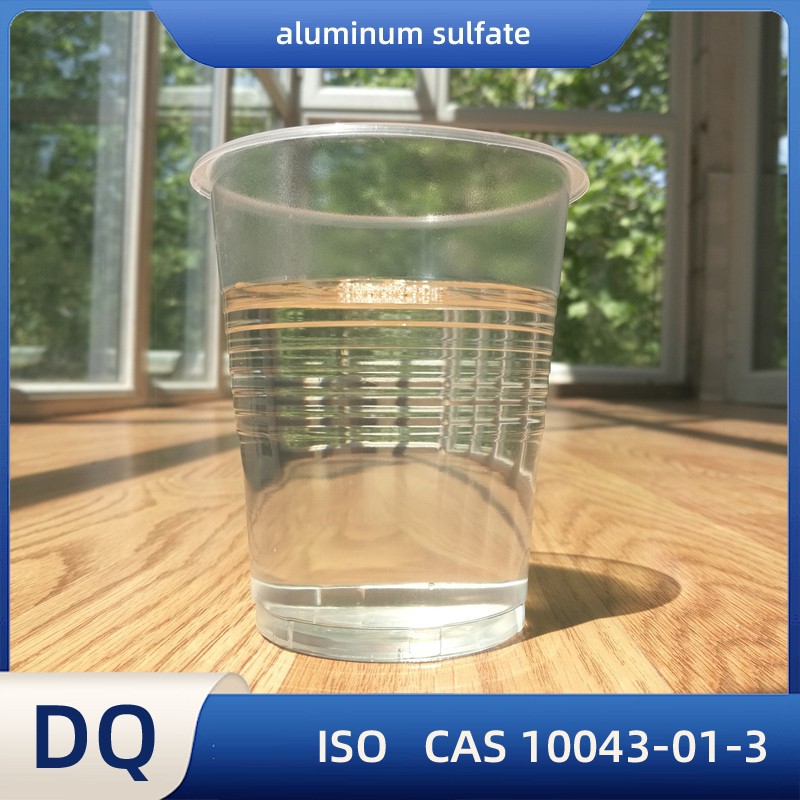
Iron-free Aluminum Sulfate, however, is typically white or colorless. This makes it a better choice for applications where color is important, like in the production of paper or textiles. If you're using a product with a yellowish tinge in these industries, it could affect the final color of the paper or fabric. Non-ferric Aluminum Sulfate, which is another term for Iron-free Aluminum Sulfate, is known for its clean, white appearance. You can find more details about it here.
Applications
Water Treatment
Both regular and Iron-free Aluminum Sulfate are used in water treatment, but for different reasons. Regular Aluminum Sulfate is commonly used in municipal water treatment plants. The iron in it can help in the coagulation process, where small particles in the water clump together and settle at the bottom. This makes it easier to remove impurities from the water.
Iron-free Aluminum Sulfate is preferred in situations where the water will be used for sensitive applications, like in the pharmaceutical or food industries. The absence of iron means there's no risk of iron contamination, which could affect the taste, color, or quality of the final product. For example, in the production of bottled water, using Iron-free Aluminum Sulfate ensures that the water remains clear and free from any metallic taste.
Paper Industry
In the paper industry, the choice between regular and Iron-free Aluminum Sulfate is crucial. Regular Aluminum Sulfate can cause yellowing of the paper over time due to the iron content. This is a big no-no in industries where white, bright paper is required, like in the printing of high-quality magazines or books.
Iron-free Aluminum Sulfate is the go-to option for paper manufacturers. It helps in sizing the paper, which means it makes the paper more resistant to ink penetration. This results in sharper, clearer prints and a better overall quality of the paper.
Textile Industry
Similar to the paper industry, the textile industry also benefits from using Iron-free Aluminum Sulfate. When dyeing fabrics, the presence of iron can cause uneven color distribution or even change the color of the dye. Iron-free Aluminum Sulfate ensures that the dyes adhere evenly to the fabric, resulting in consistent and vibrant colors.
Regular Aluminum Sulfate might be used in some less-sensitive textile applications, but for high-quality, color-critical fabrics, Iron-free Aluminum Sulfate is the way to go.

Performance and Stability
Regular Aluminum Sulfate can be more reactive due to the presence of iron. The iron can act as a catalyst in some chemical reactions, which might not be desirable in certain applications. For example, in some chemical processes where a stable environment is required, the reactivity of regular Aluminum Sulfate could cause unwanted side reactions.
Iron-free Aluminum Sulfate is more stable and less likely to cause these issues. It provides a more predictable performance, which is important in industries where precision is key.
Cost
Cost is always a factor when choosing between different products. Regular Aluminum Sulfate is generally cheaper than Iron-free Aluminum Sulfate. The production process for Iron-free Aluminum Sulfate is more complex as it involves removing the iron impurities. This extra step adds to the cost of production.
However, in applications where the quality and performance of the product are crucial, the higher cost of Iron-free Aluminum Sulfate is often worth it. For example, in the production of high-end paper or pharmaceutical-grade water, the benefits of using Iron-free Aluminum Sulfate outweigh the additional cost.
Conclusion
So, to sum it up, the main difference between regular Aluminum Sulfate and Iron-free Aluminum Sulfate lies in their chemical composition, appearance, applications, performance, and cost. Regular Aluminum Sulfate is more affordable and has some useful properties in certain applications, like water treatment and less-sensitive industries.
Iron-free Aluminum Sulfate, on the other hand, is ideal for applications where color, purity, and stability are important, such as in the paper, textile, and pharmaceutical industries.
If you're in the market for Iron-free Aluminum Sulfate, I'd love to have a chat with you. Whether you're a small business or a large corporation, I can provide you with high-quality Iron-free Aluminum Sulfate that meets your specific needs. Feel free to reach out to me to discuss your requirements and start a procurement negotiation.
References
- Textbooks on Inorganic Chemistry
- Industry reports on Aluminum Sulfate applications


