


As a supplier of Poly Aluminum Sulfate, I've witnessed firsthand the transformative impact this remarkable chemical compound has on water treatment processes. In this blog post, I'll delve into the numerous advantages of using Poly Aluminum Sulfate in water treatment, shedding light on why it's become a staple in the industry.
1. Efficient Coagulation and Flocculation
One of the primary advantages of Poly Aluminum Sulfate is its exceptional coagulation and flocculation properties. When added to water, it rapidly reacts with impurities, such as suspended solids, colloids, and organic matter. The positively charged aluminum ions in Poly Aluminum Sulfate neutralize the negative charges on these particles, causing them to come together and form larger, heavier flocs. These flocs are then easier to separate from the water through sedimentation or filtration processes.
Compared to traditional coagulants like Alum (Aluminum Sulfate), Poly Aluminum Sulfate forms larger and denser flocs more quickly, even at lower dosages. This means that less chemical is required to achieve the same level of water clarification, resulting in cost savings and reduced sludge production. For example, in a municipal water treatment plant, using Poly Aluminum Sulfate can lead to a significant reduction in the amount of sludge that needs to be treated and disposed of, which is both environmentally friendly and economically beneficial.
2. Wide pH Range Applicability
Poly Aluminum Sulfate is effective over a wide pH range, typically between 5 and 9. This makes it suitable for treating a variety of water sources, including acidic, neutral, and alkaline waters. In contrast, some other coagulants may only work optimally within a narrow pH range, requiring additional chemicals to adjust the pH of the water before treatment.
The ability of Poly Aluminum Sulfate to function effectively across different pH levels simplifies the water treatment process and reduces the complexity and cost associated with pH adjustment. For instance, in industrial water treatment applications where the pH of the wastewater can vary widely depending on the manufacturing process, Poly Aluminum Sulfate can be used without the need for extensive pH control, saving time and resources.
3. Excellent Removal of Turbidity and Color
Turbidity and color are common water quality issues that can affect the aesthetic appeal and safety of drinking water. Poly Aluminum Sulfate is highly effective in removing both turbidity and color from water. The coagulation and flocculation process described earlier helps to agglomerate the particles responsible for turbidity, making them easier to remove. Additionally, Poly Aluminum Sulfate can react with dissolved organic compounds that cause color in water, forming insoluble complexes that can be removed through sedimentation or filtration.
In a recent project, we supplied Poly Aluminum Sulfate to a water treatment facility that was struggling to meet the turbidity and color standards for their drinking water. After switching to Poly Aluminum Sulfate, the facility was able to achieve significant improvements in water quality, with turbidity levels dropping below the regulatory limit and the water becoming much clearer and more visually appealing.
4. Reduction of Heavy Metals and Microorganisms
Poly Aluminum Sulfate can also play a role in reducing the concentration of heavy metals and microorganisms in water. Heavy metals, such as lead, cadmium, and mercury, can be toxic to humans and the environment. When Poly Aluminum Sulfate is added to water, it can form complexes with these heavy metals, causing them to precipitate out of solution and be removed during the treatment process.

In addition, Poly Aluminum Sulfate has some antibacterial and antiviral properties. It can disrupt the cell membranes of microorganisms, leading to their inactivation and removal from the water. This is particularly important in water treatment for drinking water and swimming pools, where the presence of harmful microorganisms can pose a health risk.
5. Compatibility with Other Water Treatment Chemicals
Poly Aluminum Sulfate is compatible with a wide range of other water treatment chemicals, such as disinfectants, pH adjusters, and scale inhibitors. This allows for the development of comprehensive water treatment programs that can address multiple water quality issues simultaneously. For example, in a water treatment system that uses chlorine as a disinfectant, Poly Aluminum Sulfate can be used in conjunction with chlorine to improve the overall efficiency of the treatment process. The coagulation and flocculation action of Poly Aluminum Sulfate helps to remove the particles that can protect microorganisms from the disinfectant, making the disinfection process more effective.
6. Cost-Effectiveness
When considering the overall cost of water treatment, Poly Aluminum Sulfate offers significant cost savings. As mentioned earlier, its high efficiency means that lower dosages are required compared to other coagulants, reducing the cost of chemicals. Additionally, the reduced sludge production associated with Poly Aluminum Sulfate can lead to savings in sludge treatment and disposal costs.
In the long run, the use of Poly Aluminum Sulfate can also result in lower maintenance costs for water treatment equipment. The formation of larger and denser flocs reduces the likelihood of clogging in filters and pipes, extending the lifespan of the equipment and reducing the frequency of maintenance and replacement.
Our Product Range
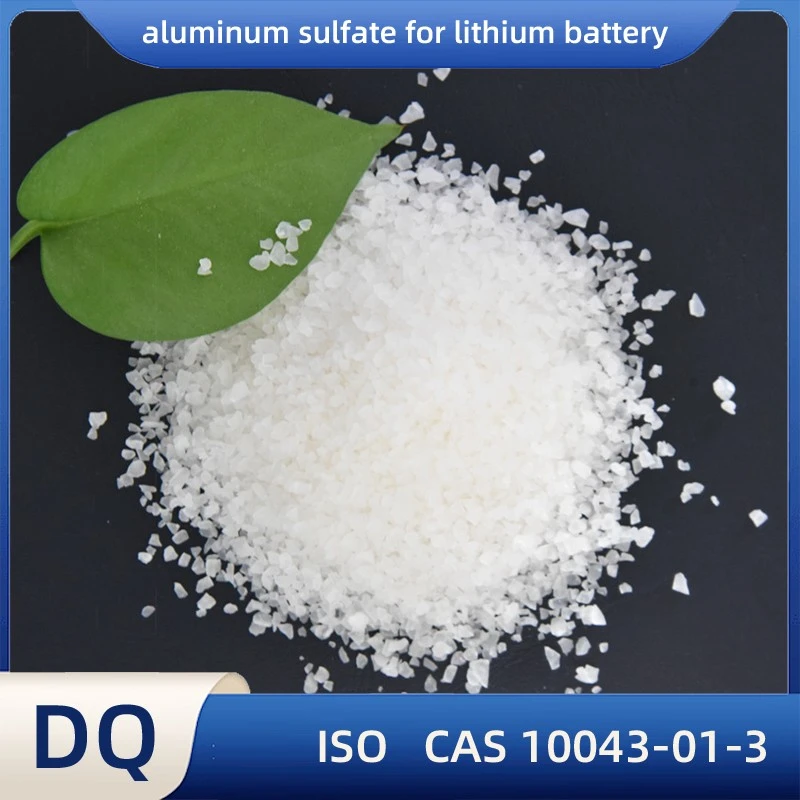
In addition to Poly Aluminum Sulfate, we also offer a range of related products that can be used in water treatment and other applications. For example, we supply Battery-grade Aluminum Sulfate, which is specifically formulated for use in the battery industry. Our Aluminum Sulfate Granular 1 - 8mm is a convenient and easy-to-use form of aluminum sulfate, suitable for a variety of industrial and agricultural applications. And our Aluminum Sulfate14-Hydrate is a high-quality product with a consistent composition, ensuring reliable performance in water treatment and other processes.
Contact Us for Procurement
If you're interested in learning more about Poly Aluminum Sulfate or our other products, or if you're looking for a reliable supplier for your water treatment needs, we'd love to hear from you. Our team of experts is available to provide you with detailed information, technical support, and customized solutions based on your specific requirements. Whether you're a small-scale water treatment facility or a large industrial manufacturer, we have the products and expertise to meet your needs. Don't hesitate to reach out and start a conversation about how we can work together to improve your water quality and reduce your treatment costs.
References
- Letterman, R. D. (2012). Water Quality and Treatment: A Handbook of Community Water Supplies. McGraw-Hill Education.
- Amirtharajah, A., & O'Melia, C. R. (1990). Coagulation and Flocculation. In Water Quality and Treatment: A Handbook of Community Water Supplies (pp. 3 - 32). McGraw-Hill.
- Gregory, J. (2006). Coagulation and Flocculation. In Encyclopedia of Surface and Colloid Science (pp. 1003 - 1023). Taylor & Francis.


