


Non - ferric aluminum sulfate, also known as iron - free aluminum sulfate, is a crucial chemical compound with a wide range of applications, especially in the construction industry. As a leading supplier of non - ferric aluminum sulfate, I have witnessed firsthand its significant role in concrete production. In this blog, we will delve into how non - ferric aluminum sulfate interacts with cement in concrete.
1. Chemical Composition and Properties of Non - ferric Aluminum Sulfate
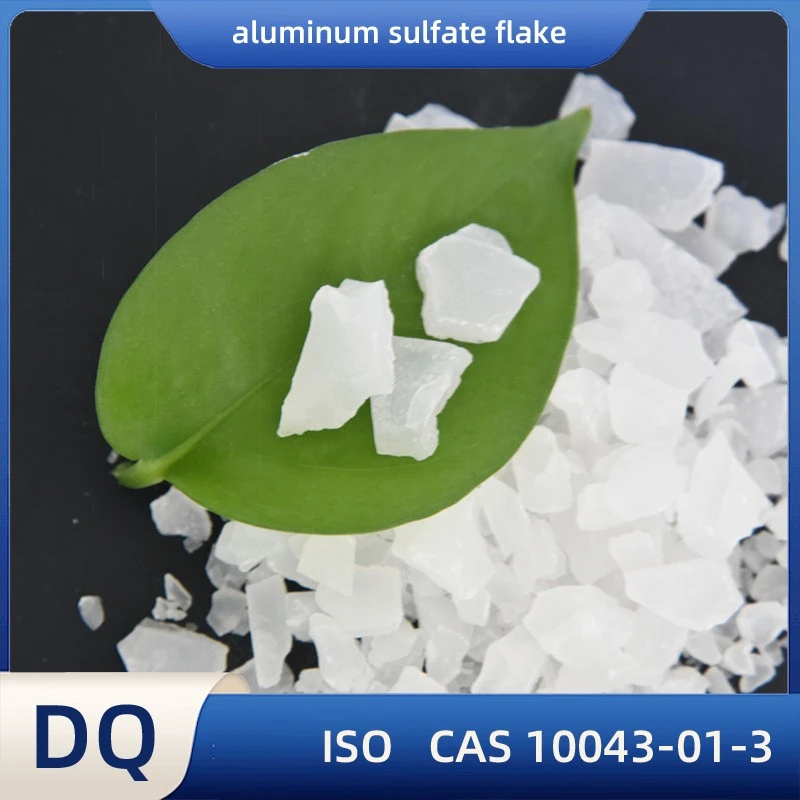
Non - ferric aluminum sulfate, with the chemical formula Al₂(SO₄)₃, is a white crystalline solid. It is highly soluble in water, and its aqueous solution is acidic. The non - ferric version means it has a very low iron content, which is essential in applications where the presence of iron can cause unwanted side effects, such as staining or discoloration. Our Iron - free Aluminum Sulfate product is of high purity, ensuring its effectiveness in various industrial processes.
2. The Role of Cement in Concrete
Cement is the binding agent in concrete. When mixed with water, cement undergoes a series of chemical reactions known as hydration. During hydration, cement particles react with water to form calcium silicate hydrates (C - S - H), calcium hydroxide (Ca(OH)₂), and other hydration products. These products are responsible for the hardening and strength development of concrete. The quality and performance of concrete largely depend on the proper hydration of cement.
3. Interaction Mechanisms between Non - ferric Aluminum Sulfate and Cement
3.1 Accelerating Hydration
One of the primary ways non - ferric aluminum sulfate interacts with cement is by accelerating the hydration process. When non - ferric aluminum sulfate is added to the concrete mixture, the sulfate ions (SO₄²⁻) from the aluminum sulfate react with the calcium aluminate phases in cement, such as tricalcium aluminate (C₃A). This reaction forms ettringite (3CaO·Al₂O₃·3CaSO₄·32H₂O) at an accelerated rate.
Ettringite is a needle - shaped crystal that fills the pores in the concrete matrix, promoting early strength development. The formation of ettringite also helps to reduce the porosity of concrete, improving its density and impermeability. Our Aluminum Sulfate Flake product can be easily incorporated into the concrete mixture, ensuring a uniform distribution of the sulfate ions for effective acceleration of hydration.
3.2 Modifying the pH Environment
Non - ferric aluminum sulfate can also modify the pH environment in the concrete mixture. The acidic nature of its aqueous solution can lower the pH of the concrete pore solution in the initial stages of hydration. This change in pH can affect the solubility and reactivity of cement components. For example, a lower pH can increase the solubility of some cement phases, facilitating their reaction with water and accelerating the overall hydration process.
3.3 Reacting with Calcium Hydroxide
The aluminum ions (Al³⁺) from non - ferric aluminum sulfate can react with the calcium hydroxide (Ca(OH)₂) produced during cement hydration. This reaction forms calcium aluminate hydrates, which contribute to the strength and durability of concrete. Additionally, the reaction with calcium hydroxide can help to reduce the amount of free calcium hydroxide in the concrete, which is beneficial for the long - term performance of concrete, as calcium hydroxide can be leached out over time, leading to a decrease in strength and durability.

4. Effects of Non - ferric Aluminum Sulfate on Concrete Properties
4.1 Early Strength
As mentioned earlier, the acceleration of hydration by non - ferric aluminum sulfate leads to early strength development in concrete. This is particularly important in construction projects where early formwork removal or rapid construction progress is required. By using our non - ferric aluminum sulfate products, contractors can achieve higher early strength in concrete, reducing construction time and costs.
4.2 Workability
Non - ferric aluminum sulfate can also have an impact on the workability of concrete. In some cases, the addition of non - ferric aluminum sulfate can improve the workability of concrete by reducing the water demand. The formation of ettringite and other hydration products can help to lubricate the concrete mixture, making it easier to place and finish. However, excessive addition of non - ferric aluminum sulfate can lead to a decrease in workability due to the rapid formation of ettringite, which can cause the concrete to stiffen too quickly.
4.3 Durability
The interaction between non - ferric aluminum sulfate and cement can enhance the durability of concrete. The formation of ettringite and other hydration products reduces the porosity of concrete, making it more resistant to the penetration of water, chemicals, and other harmful substances. Additionally, the reaction with calcium hydroxide helps to improve the chemical stability of concrete, reducing the risk of alkali - aggregate reactions and sulfate attacks.
5. Dosage and Considerations
5.1 Optimal Dosage
The optimal dosage of non - ferric aluminum sulfate in concrete depends on several factors, such as the type of cement, the desired properties of concrete, and the environmental conditions. Generally, the dosage ranges from 1% to 3% by weight of cement. However, it is recommended to conduct laboratory tests to determine the most suitable dosage for a specific project.
5.2 Compatibility with Other Admixtures
When using non - ferric aluminum sulfate in concrete, it is important to consider its compatibility with other admixtures. Some admixtures, such as superplasticizers, may interact with non - ferric aluminum sulfate, affecting the performance of concrete. Therefore, it is necessary to test the compatibility of different admixtures before using them in combination.
6. Conclusion and Call to Action
In conclusion, non - ferric aluminum sulfate plays a significant role in the interaction with cement in concrete. It accelerates hydration, promotes early strength development, and enhances the durability of concrete. As a reliable supplier of non - ferric aluminum sulfate, we offer high - quality products, including Aluminum Sulfate Flake and Iron - free Aluminum Sulfate, to meet the diverse needs of the construction industry.
If you are interested in purchasing non - ferric aluminum sulfate for your concrete projects, or if you have any questions about its application, please feel free to contact us. We are committed to providing you with the best products and technical support to ensure the success of your projects.
References
- Neville, A. M. (1995). Properties of Concrete. Pearson Education.
- Mehta, P. K., & Monteiro, P. J. M. (2014). Concrete: Microstructure, Properties, and Materials. McGraw - Hill Education.
- Taylor, H. F. W. (1997). Cement Chemistry. Thomas Telford.


