


In the realm of water treatment, the role of chemicals is pivotal, and one such crucial agent is aluminum sulfate powder. As a dedicated supplier of aluminum sulfate powder, I've witnessed firsthand its widespread use and the significant impact it has on water quality, particularly in terms of water color. In this blog, we'll explore how aluminum sulfate powder affects the color of water during the treatment process.
Understanding Aluminum Sulfate Powder
Aluminum sulfate, commonly known as alum, is a white crystalline powder that is highly soluble in water. It has been used for centuries in water treatment due to its coagulation and flocculation properties. When added to water, aluminum sulfate dissociates into aluminum ions and sulfate ions. The aluminum ions play a key role in the coagulation process, which is the first step in many water treatment systems.
There are different forms of aluminum sulfate available in the market, including Aluminum Sulfate Flake, Liquid Aluminum Sulfate, and Aluminum Sulfate Granular. Each form has its own advantages and is suitable for different applications. However, in this discussion, we'll focus on the powder form and its impact on water color.
The Coagulation Process and Its Effect on Water Color
The primary mechanism by which aluminum sulfate powder affects water color is through the coagulation process. Natural water sources often contain various suspended particles, such as clay, silt, organic matter, and microorganisms. These particles are usually negatively charged, which causes them to repel each other and remain dispersed in the water. This dispersion gives the water a turbid or colored appearance.
When aluminum sulfate powder is added to the water, the aluminum ions react with the negatively charged particles. The aluminum ions neutralize the negative charges on the particles, reducing the electrostatic repulsion between them. As a result, the particles start to come together and form larger aggregates, known as flocs.
The formation of flocs is crucial for water treatment because it makes the particles easier to remove from the water. The larger flocs are heavier and settle to the bottom of the water tank more quickly, a process known as sedimentation. Alternatively, they can be removed by filtration.
As the flocs form and settle or are filtered out, the water becomes clearer and the color improves. The removal of suspended particles reduces the scattering of light in the water, which is responsible for the turbid or colored appearance. In many cases, the addition of aluminum sulfate powder can significantly reduce the color of the water, making it more visually appealing and suitable for various uses.
Impact on Organic Matter and Color Removal
In addition to removing suspended inorganic particles, aluminum sulfate powder can also help in the removal of organic matter from the water. Organic matter, such as humic and fulvic acids, is a common cause of color in natural water sources. These substances are often yellow, brown, or black in color and can give the water a distinct tint.
Aluminum sulfate reacts with the organic matter in the water, causing it to coagulate and form flocs. The coagulation process helps to remove the organic matter from the water, thereby reducing its color. However, the effectiveness of aluminum sulfate in removing organic matter depends on several factors, such as the pH of the water, the concentration of aluminum sulfate, and the type and concentration of organic matter present.
The pH of the water is particularly important because it affects the speciation of aluminum in the water. At different pH values, aluminum can exist in different forms, such as aluminum hydroxide, aluminum carbonate, and aluminum sulfate. The optimal pH range for the coagulation of organic matter using aluminum sulfate is typically between 5.5 and 7.5. Outside this range, the coagulation efficiency may decrease, and the color removal may not be as effective.
Interaction with Dissolved Metals and Color Changes
Another aspect to consider is the interaction of aluminum sulfate powder with dissolved metals in the water. Some metals, such as iron and manganese, can cause color problems in water. Iron in the water can give it a reddish - brown color, while manganese can cause a black or brown color.
Aluminum sulfate can help in the removal of these metals through the coagulation process. The aluminum ions can react with the metal ions in the water and form insoluble compounds, which can then be removed as part of the flocs. However, the reaction between aluminum sulfate and dissolved metals is complex and depends on factors such as the oxidation state of the metals, the pH of the water, and the presence of other substances.
For example, in the case of iron, if the water contains ferrous iron (Fe²⁺), it may need to be oxidized to ferric iron (Fe³⁺) first before it can be effectively removed by aluminum sulfate. This oxidation can be achieved through aeration or the addition of oxidizing agents. Once the iron is in the ferric state, it can react with the aluminum sulfate and form flocs that can be removed from the water.
Factors Affecting the Effectiveness of Aluminum Sulfate on Water Color
Several factors can affect the effectiveness of aluminum sulfate powder in changing the color of water during treatment. These factors need to be carefully considered to ensure optimal results.
- Dosage: The amount of aluminum sulfate powder added to the water is crucial. If the dosage is too low, the coagulation process may not be sufficient to remove the suspended particles and organic matter, resulting in poor color removal. On the other hand, if the dosage is too high, it can lead to the formation of excessive flocs, which may cause other problems, such as increased turbidity and the presence of residual aluminum in the water.
- pH: As mentioned earlier, the pH of the water affects the speciation of aluminum and the coagulation efficiency. The optimal pH range for color removal using aluminum sulfate is typically between 5.5 and 7.5. Therefore, it is often necessary to adjust the pH of the water before adding aluminum sulfate to ensure maximum effectiveness.
- Temperature: The temperature of the water can also affect the coagulation process. In general, higher temperatures can increase the rate of chemical reactions and the formation of flocs. However, very high temperatures can also cause the flocs to break up, reducing the sedimentation efficiency.
- Mixing: Proper mixing of the aluminum sulfate powder with the water is essential. Adequate mixing ensures that the aluminum ions are evenly distributed in the water and can react with the suspended particles and organic matter effectively. Insufficient mixing can lead to uneven coagulation and poor color removal.
Conclusion and Call to Action
In conclusion, aluminum sulfate powder plays a vital role in water treatment by improving the color of water. Through the coagulation process, it helps to remove suspended particles, organic matter, and dissolved metals from the water, resulting in clearer and more visually appealing water.
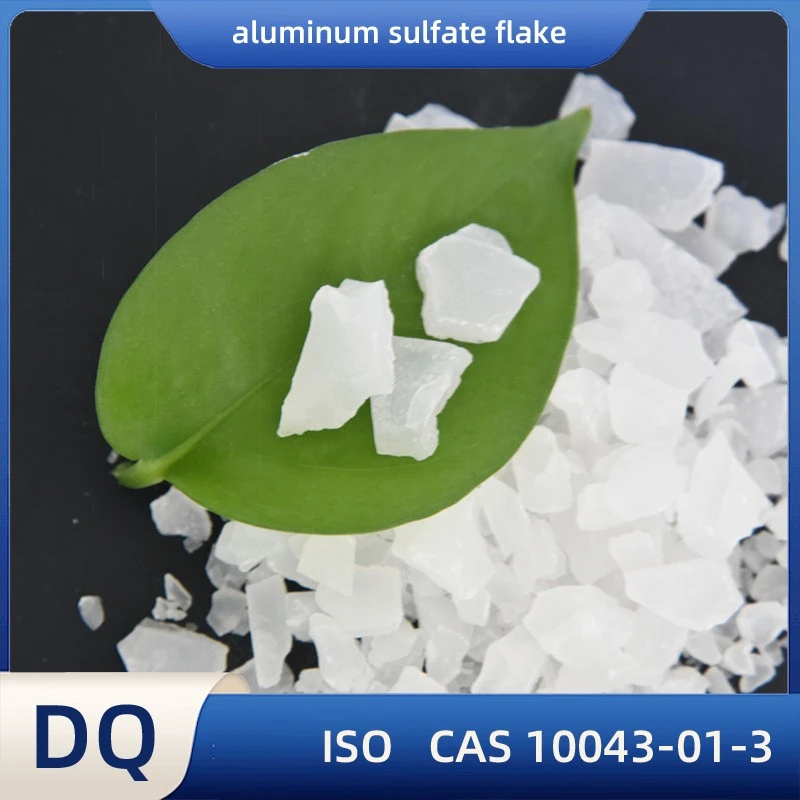

As a reliable supplier of aluminum sulfate powder, we understand the importance of providing high - quality products and technical support to our customers. Our aluminum sulfate powder is manufactured to strict quality standards, ensuring consistent performance in water treatment applications.
If you are involved in water treatment and are looking for an effective solution to improve the color of your water, we invite you to contact us for more information. We can provide you with detailed product specifications, technical advice, and samples to help you determine the best solution for your specific needs. Let's work together to achieve better water quality and a more sustainable future.
References
- AWWA (American Water Works Association). Water Quality and Treatment: A Handbook of Community Water Supplies.
- Letterman, R. D. (2005). Water Quality Engineering in Natural Systems. McGraw - Hill.
- Benefield, L. D., Judkins, R. S., & Weand, B. L. (1982). Process Chemistry for Water and Wastewater Treatment. Prentice - Hall.


