


In the realm of water treatment, understanding the interaction between aluminum sulfate and chlorine is crucial for achieving optimal water purification results. As a supplier of Water Treatment Aluminum Sulfate, I've witnessed firsthand the significance of this chemical interplay in ensuring clean and safe water for various applications. In this blog post, we'll delve into the science behind how aluminum sulfate and chlorine interact in water treatment, exploring their individual roles, the combined effects, and the implications for water quality.
The Role of Aluminum Sulfate in Water Treatment
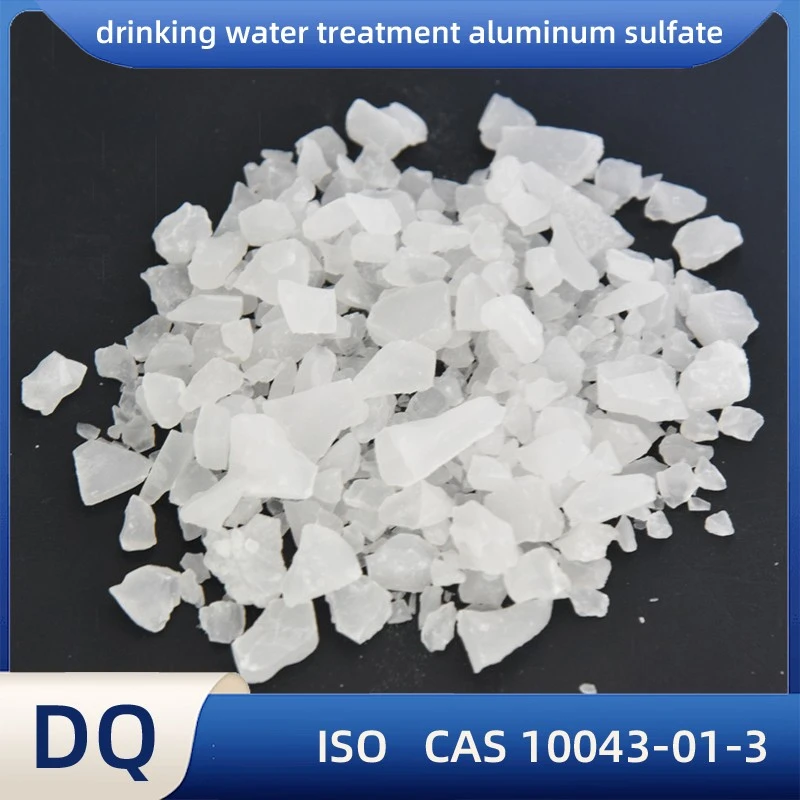
Aluminum sulfate, commonly known as alum, is a widely used coagulant in water treatment processes. Its primary function is to remove suspended particles, colloids, and organic matter from water by promoting coagulation and flocculation. When added to water, aluminum sulfate dissociates into aluminum ions (Al³⁺), which react with water molecules to form various hydrolysis products. These hydrolysis products, such as aluminum hydroxide (Al(OH)₃), carry a positive charge and can neutralize the negative charges on suspended particles, causing them to aggregate and form larger flocs.
The formation of flocs is essential for the subsequent sedimentation and filtration steps in water treatment. The larger flocs are easier to settle out of the water or be removed by filtration, effectively reducing the turbidity and improving the clarity of the water. Additionally, aluminum sulfate can also remove some dissolved organic compounds, such as humic and fulvic acids, which can cause color and taste problems in water.
There are different types of aluminum sulfate available for water treatment, including Non-ferric Aluminum Sulfate and Liquid Aluminum Sulfate. Non-ferric aluminum sulfate is preferred in applications where the presence of iron is not desired, as it can cause discoloration in the treated water. Liquid aluminum sulfate, on the other hand, is more convenient to handle and can be easily dosed into the water treatment system.
The Role of Chlorine in Water Treatment
Chlorine is one of the most commonly used disinfectants in water treatment. It is highly effective in killing bacteria, viruses, and other pathogens that can cause waterborne diseases. When chlorine is added to water, it reacts with water molecules to form hypochlorous acid (HOCl) and hypochlorite ions (OCl⁻), which are the active disinfecting agents.
The disinfecting power of chlorine depends on several factors, including the pH of the water, the temperature, the contact time, and the concentration of chlorine. At lower pH values, hypochlorous acid is the dominant form of chlorine, which is more effective in killing pathogens than hypochlorite ions. Therefore, maintaining the appropriate pH level is crucial for maximizing the disinfecting efficiency of chlorine.
In addition to disinfection, chlorine can also oxidize certain organic and inorganic compounds in water, such as iron, manganese, and hydrogen sulfide. This oxidation process can help to remove these compounds from the water, improving its taste, odor, and color.
The Interaction between Aluminum Sulfate and Chlorine
The interaction between aluminum sulfate and chlorine in water treatment can be complex and depends on several factors, including the dosage of each chemical, the pH of the water, and the presence of other substances. In general, the two chemicals can have both synergistic and antagonistic effects on water treatment.
Synergistic Effects
One of the main synergistic effects of aluminum sulfate and chlorine is their combined ability to improve water quality. Aluminum sulfate helps to remove suspended particles and organic matter from the water, which can reduce the demand for chlorine and improve its disinfecting efficiency. By removing the organic matter, aluminum sulfate also reduces the formation of disinfection by-products (DBPs), such as trihalomethanes (THMs) and haloacetic acids (HAAs), which are potentially harmful to human health.
On the other hand, chlorine can enhance the coagulation and flocculation process by oxidizing certain organic compounds that can interfere with the action of aluminum sulfate. Chlorine can also help to break down some of the larger organic molecules into smaller fragments, making them easier to remove by coagulation and flocculation.
Antagonistic Effects
However, there can also be antagonistic effects between aluminum sulfate and chlorine. For example, high concentrations of chlorine can react with aluminum hydroxide flocs formed by aluminum sulfate, causing them to dissolve and re-suspend in the water. This can lead to an increase in turbidity and a decrease in the effectiveness of the coagulation and flocculation process.
In addition, the presence of certain substances in the water, such as ammonia and organic nitrogen, can react with chlorine to form chloramines. Chloramines are less effective disinfectants than free chlorine and can also interfere with the coagulation and flocculation process. Therefore, it is important to carefully control the dosage of chlorine and aluminum sulfate to avoid these antagonistic effects.
Implications for Water Treatment
Understanding the interaction between aluminum sulfate and chlorine is essential for designing and operating an effective water treatment system. Here are some key implications for water treatment:
Dosage Optimization
To achieve the best water treatment results, it is important to optimize the dosage of aluminum sulfate and chlorine. This requires careful consideration of the water quality parameters, such as turbidity, pH, and the presence of organic matter and pathogens. By conducting laboratory tests and pilot studies, water treatment operators can determine the optimal dosage of each chemical to achieve the desired water quality goals.

pH Control
Maintaining the appropriate pH level is crucial for maximizing the effectiveness of both aluminum sulfate and chlorine. Aluminum sulfate works best at a pH range of 5.5 to 7.5, while chlorine is most effective at a pH range of 6.5 to 8.5. Therefore, it is important to adjust the pH of the water before adding aluminum sulfate and chlorine to ensure that they can function optimally.
Monitoring and Control
Regular monitoring of water quality parameters, such as turbidity, pH, chlorine residual, and DBP levels, is essential for ensuring the effectiveness of the water treatment process. By continuously monitoring these parameters, water treatment operators can detect any changes in water quality and make appropriate adjustments to the dosage of aluminum sulfate and chlorine.
Applications in Drinking Water Treatment
In drinking water treatment, the interaction between aluminum sulfate and chlorine plays a critical role in ensuring the safety and quality of the water supply. Drinking Water Treatment Aluminum Sulfate is specifically formulated to meet the strict requirements for drinking water treatment.
Aluminum sulfate is typically added to the raw water at the beginning of the treatment process to remove suspended particles and organic matter. After coagulation and flocculation, the water is settled and filtered to remove the flocs. Chlorine is then added to the filtered water for disinfection to kill any remaining pathogens.
By carefully controlling the dosage of aluminum sulfate and chlorine, water treatment plants can achieve high-quality drinking water that meets the regulatory standards for turbidity, disinfection, and DBP levels.
Conclusion
In conclusion, the interaction between aluminum sulfate and chlorine in water treatment is a complex but important process that can have a significant impact on water quality. As a supplier of Water Treatment Aluminum Sulfate, I understand the importance of providing high-quality products and technical support to our customers. By working closely with water treatment operators and engineers, we can help to optimize the use of aluminum sulfate and chlorine in water treatment systems, ensuring the production of clean and safe water for various applications.

If you're interested in learning more about our Water Treatment Aluminum Sulfate products or have any questions about the interaction between aluminum sulfate and chlorine in water treatment, please feel free to contact us for a detailed discussion. We're here to help you find the best solutions for your water treatment needs.
References
- Letterman, R. D. (2014). Water Quality and Treatment: A Handbook of Community Water Supplies. McGraw-Hill Education.
- AWWA. (2019). Water Treatment Plant Design. American Water Works Association.
- White, G. C. (1999). Handbook of Chlorination and Alternative Disinfectants. Wiley-Interscience.


