


In the field of water treatment, the choice of coagulant is a critical decision that can significantly impact the efficiency and effectiveness of the purification process. As a supplier of aluminum sulfate, I've witnessed firsthand its widespread use and the numerous benefits it offers. In this blog post, I'll delve into how aluminum sulfate compares with other coagulants commonly used in water treatment.
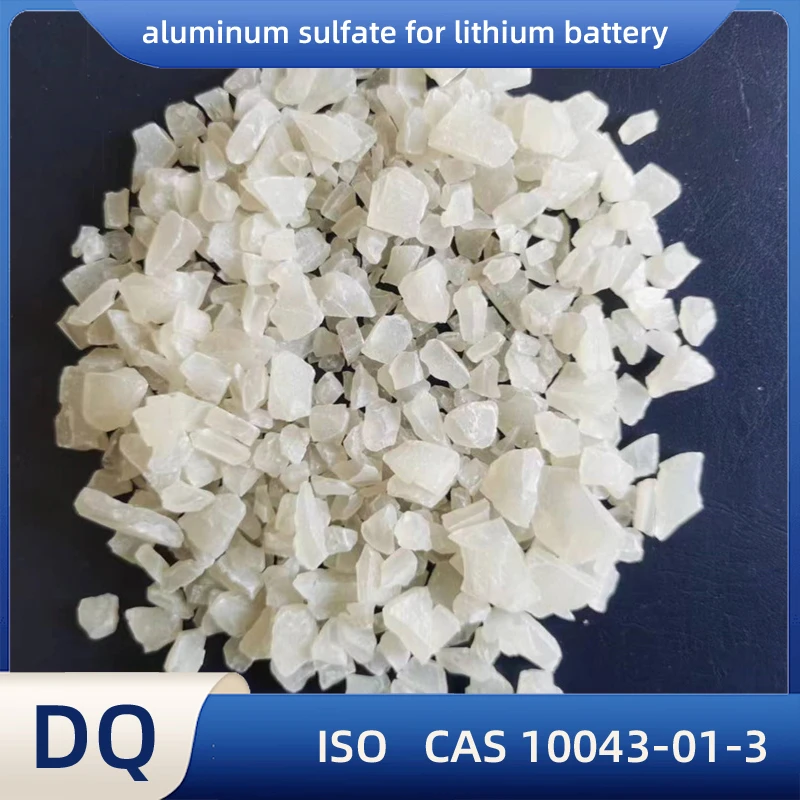

Aluminum Sulfate: An Overview
Aluminum sulfate, also known as alum, has been a staple in water treatment for decades. It is available in various forms, including Aluminum Sulfate18-Hyfrate, Liquid Aluminum Sulfate, and Aluminum Sulfate14-Hydrate. These different forms offer flexibility in application, allowing water treatment plants to choose the most suitable option based on their specific needs.
The coagulation process is a fundamental step in water treatment. It involves the addition of a coagulant to water to neutralize the electrical charges of suspended particles, causing them to clump together and form larger aggregates called flocs. These flocs can then be more easily removed through sedimentation or filtration. Aluminum sulfate works by hydrolyzing in water to form positively charged aluminum hydroxide complexes, which interact with negatively charged particles in the water to promote coagulation.
Comparing Aluminum Sulfate with Other Coagulants
Ferric Salts
Ferric salts, such as ferric chloride and ferric sulfate, are another commonly used type of coagulant in water treatment. Like aluminum sulfate, they work by neutralizing the charges of suspended particles and promoting floc formation. However, there are some key differences between the two.
One advantage of aluminum sulfate over ferric salts is its lower cost. Aluminum sulfate is generally less expensive than ferric salts, making it a more cost-effective option for large-scale water treatment plants. Additionally, aluminum sulfate produces less sludge than ferric salts, which can reduce the cost and complexity of sludge disposal.
On the other hand, ferric salts are often more effective at removing certain types of contaminants, such as phosphorus. They can also work over a wider pH range than aluminum sulfate, which can be beneficial in water with variable pH levels. However, ferric salts can cause staining of pipes and equipment if not properly controlled, and they may require the addition of a pH adjuster to optimize their performance.
Polymeric Coagulants
Polymeric coagulants are synthetic polymers that are designed to enhance the coagulation process. They can be either cationic, anionic, or non-ionic, depending on their chemical structure. Polymeric coagulants work by bridging the gaps between suspended particles, causing them to form larger and stronger flocs.
One advantage of polymeric coagulants is their high efficiency. They can often achieve better coagulation results than aluminum sulfate or ferric salts at lower dosages, which can reduce the cost of coagulant addition. Additionally, polymeric coagulants can be more effective at removing fine particles and colloids, which can be difficult to remove using traditional coagulants.
However, polymeric coagulants are generally more expensive than aluminum sulfate and ferric salts. They also require careful handling and storage, as they can be sensitive to temperature, pH, and other environmental factors. In addition, some polymeric coagulants may have potential health and environmental risks, which need to be carefully evaluated before use.
Lime
Lime, or calcium hydroxide, is a traditional coagulant that has been used in water treatment for centuries. It works by raising the pH of the water, which causes the precipitation of calcium carbonate and other minerals. These precipitates can then adsorb and remove suspended particles from the water.
One advantage of lime is its low cost and availability. It is a widely used and well-understood coagulant, and it can be effective at removing a variety of contaminants, including heavy metals and microorganisms. Additionally, lime can improve the alkalinity of the water, which can be beneficial for corrosion control and other aspects of water quality.
However, lime has some limitations. It requires a relatively high dosage to achieve effective coagulation, which can increase the cost of treatment. It also produces a large amount of sludge, which can be difficult to handle and dispose of. In addition, lime can cause scaling in pipes and equipment if not properly controlled, and it may require the addition of a pH adjuster to optimize its performance.
Advantages of Aluminum Sulfate in Water Treatment
Despite the competition from other coagulants, aluminum sulfate remains a popular choice in water treatment for several reasons.
Cost-Effectiveness
As mentioned earlier, aluminum sulfate is generally less expensive than other coagulants, such as ferric salts and polymeric coagulants. This makes it a more attractive option for large-scale water treatment plants, where cost is a major consideration. Additionally, the lower sludge production of aluminum sulfate can further reduce the cost of treatment by minimizing the need for sludge disposal.
Versatility
Aluminum sulfate can be used in a wide range of water treatment applications, including the treatment of drinking water, wastewater, and industrial process water. It can be effective at removing a variety of contaminants, including suspended solids, turbidity, color, and microorganisms. Additionally, aluminum sulfate can be used in combination with other treatment processes, such as filtration and disinfection, to achieve optimal water quality.
Environmental Friendliness
Aluminum sulfate is a relatively environmentally friendly coagulant. It is a naturally occurring substance that is widely available and has a low toxicity. Additionally, the lower sludge production of aluminum sulfate can reduce the environmental impact of water treatment by minimizing the amount of waste generated.
Considerations When Using Aluminum Sulfate
While aluminum sulfate offers many advantages in water treatment, there are also some considerations that need to be taken into account.
pH Range
Aluminum sulfate works best in a pH range of 5.5 to 7.5. Outside of this range, its effectiveness may be reduced, and it may produce more sludge. Therefore, it is important to monitor and adjust the pH of the water before adding aluminum sulfate to ensure optimal performance.
Residual Aluminum
The use of aluminum sulfate in water treatment can result in the presence of residual aluminum in the treated water. While aluminum is a naturally occurring element that is present in small amounts in many foods and beverages, high levels of aluminum in drinking water have been associated with certain health risks, such as Alzheimer's disease. Therefore, it is important to monitor the residual aluminum levels in the treated water and ensure that they comply with the relevant drinking water standards.
Compatibility with Other Chemicals
Aluminum sulfate may interact with other chemicals that are used in water treatment, such as disinfectants and pH adjusters. These interactions can affect the performance of the coagulant and may lead to the formation of unwanted by-products. Therefore, it is important to carefully consider the compatibility of aluminum sulfate with other chemicals before using them in combination.
Conclusion
In conclusion, aluminum sulfate is a versatile and cost-effective coagulant that offers many advantages in water treatment. While it may not be the best option for every application, it is a widely used and well-understood coagulant that has been proven to be effective in a variety of water treatment scenarios. When compared with other coagulants, such as ferric salts, polymeric coagulants, and lime, aluminum sulfate offers a good balance of performance, cost, and environmental friendliness.
If you are in the market for a reliable and cost-effective coagulant for your water treatment plant, I encourage you to consider aluminum sulfate. As a supplier of high-quality aluminum sulfate products, we are committed to providing our customers with the best possible solutions for their water treatment needs. Contact us today to learn more about our products and to discuss your specific requirements. We look forward to working with you to achieve optimal water quality and efficiency in your water treatment process.
References
- Letterman, R. D. (2019). Water Quality and Treatment: A Handbook of Community Water Supplies. McGraw-Hill Education.
- AWWA. (2017). Water Treatment Plant Design. American Water Works Association.
- USEPA. (2020). Drinking Water Regulations and Health Advisories. United States Environmental Protection Agency.


