


In the dynamic landscape of chemical industries, the search for effective and versatile substances is a constant pursuit. As a trusted supplier of Liquid Aluminum Sulfate, I am often asked about the potential applications of this compound, particularly in the production of catalysts. This blog aims to explore the feasibility and benefits of using liquid aluminum sulfate in catalyst production, drawing on scientific research and industry experience.
Understanding Liquid Aluminum Sulfate
Liquid aluminum sulfate, with the chemical formula Al₂(SO₄)₃, is a widely used chemical compound known for its various industrial applications. It is typically produced by reacting aluminum hydroxide with sulfuric acid, resulting in a clear, colorless liquid solution. Our Liquid Aluminum Sulfate product is of high quality, ensuring consistent performance and reliability in different applications.
One of the key advantages of liquid aluminum sulfate is its solubility, which allows for easy incorporation into various processes. It is commonly used in water treatment, paper manufacturing, and the production of textiles, among other industries. The compound's ability to react with other substances and form complexes makes it a potential candidate for catalyst production.
Catalysts: An Overview
Catalysts are substances that increase the rate of a chemical reaction without being consumed in the process. They play a crucial role in many industrial processes, including the production of fuels, chemicals, and pharmaceuticals. Catalysts work by providing an alternative reaction pathway with a lower activation energy, allowing the reaction to occur more readily.
There are two main types of catalysts: homogeneous and heterogeneous. Homogeneous catalysts are in the same phase as the reactants, while heterogeneous catalysts are in a different phase. The choice of catalyst depends on the specific reaction and the desired outcome.

Potential Applications of Liquid Aluminum Sulfate in Catalyst Production
Acid Catalysis
Liquid aluminum sulfate can act as an acid catalyst in certain chemical reactions. The sulfate ions in the compound can donate protons, facilitating acid-catalyzed reactions such as esterification, dehydration, and hydrolysis. For example, in the production of biodiesel, acid catalysts are used to convert triglycerides into fatty acid methyl esters. Liquid aluminum sulfate could potentially be used as an alternative acid catalyst in this process, offering advantages such as lower cost and easier handling compared to traditional catalysts.
Support Material
In heterogeneous catalysis, catalysts are often supported on a solid material to increase their surface area and stability. Liquid aluminum sulfate can be used as a precursor to prepare alumina-based support materials. Alumina is a widely used support material due to its high surface area, thermal stability, and chemical inertness. By calcining a solution of liquid aluminum sulfate, alumina can be obtained in various forms, such as powders or pellets. These alumina supports can then be impregnated with active catalytic species to form a heterogeneous catalyst.
Co-catalyst
Liquid aluminum sulfate can also act as a co-catalyst in combination with other catalytic materials. For example, it can enhance the activity and selectivity of transition metal catalysts in oxidation reactions. The aluminum ions in the compound can interact with the transition metal ions, modifying their electronic properties and improving the catalytic performance.
Advantages of Using Liquid Aluminum Sulfate in Catalyst Production
Cost-Effectiveness
Liquid aluminum sulfate is relatively inexpensive compared to many other catalyst materials. This makes it an attractive option for large-scale industrial applications, where cost is a significant factor. Additionally, its high solubility and ease of handling reduce the production costs associated with catalyst preparation.
Environmental Friendliness
Compared to some traditional catalysts, liquid aluminum sulfate is relatively environmentally friendly. It does not contain toxic heavy metals or other harmful substances, and its use can reduce the environmental impact of industrial processes. For example, in water treatment applications, liquid aluminum sulfate is used to remove impurities and pollutants from water, without leaving behind harmful residues.
Versatility
Liquid aluminum sulfate can be used in a wide range of catalytic reactions and processes. Its ability to act as an acid catalyst, support material, or co-catalyst makes it a versatile option for different applications. This versatility allows for the development of customized catalysts tailored to specific reaction requirements.
Challenges and Limitations
While liquid aluminum sulfate shows promise in catalyst production, there are also some challenges and limitations that need to be addressed.
Catalyst Deactivation
Like all catalysts, liquid aluminum sulfate-based catalysts can undergo deactivation over time. This can be due to factors such as poisoning by impurities in the reactants, sintering of the catalyst particles, or fouling of the catalyst surface. To overcome these challenges, proper catalyst design and regeneration methods need to be developed.
Selectivity
In some cases, liquid aluminum sulfate may not exhibit high selectivity towards the desired product. This can result in the formation of unwanted by-products, reducing the efficiency of the reaction. To improve selectivity, further research is needed to understand the reaction mechanisms and optimize the catalyst composition.
Compatibility
The compatibility of liquid aluminum sulfate with other reactants and materials in the catalytic system needs to be carefully considered. For example, in some reactions, the presence of liquid aluminum sulfate may cause corrosion or other unwanted side reactions. Therefore, it is important to conduct thorough compatibility tests before using liquid aluminum sulfate in a specific catalytic application.
Conclusion
In conclusion, liquid aluminum sulfate has the potential to be used in the production of catalysts. Its acid catalytic properties, ability to act as a support material, and co-catalytic effects make it a promising candidate for various industrial applications. The cost-effectiveness, environmental friendliness, and versatility of liquid aluminum sulfate further enhance its appeal.
However, there are still some challenges and limitations that need to be addressed before liquid aluminum sulfate can be widely adopted in catalyst production. Further research is needed to optimize the catalyst design, improve the catalytic performance, and overcome the issues related to catalyst deactivation, selectivity, and compatibility.
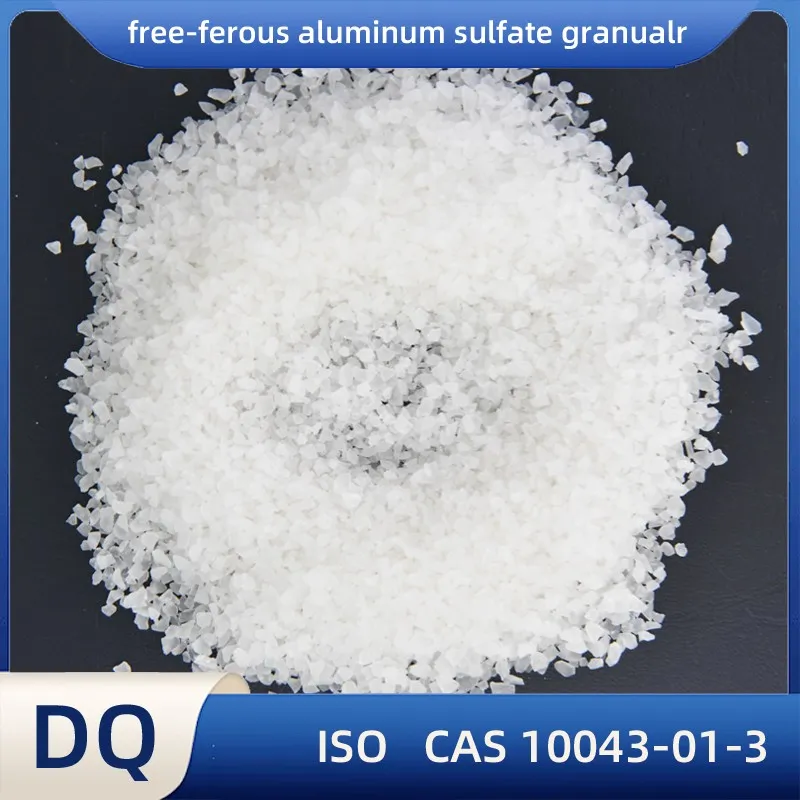
As a supplier of high-quality Liquid Aluminum Sulfate, we are committed to supporting research and development in this area. We offer a range of liquid aluminum sulfate products, including Non-ferric Aluminum Sulfate and Iron-ferric Aluminum Sulfare Granular, to meet the diverse needs of our customers.
If you are interested in exploring the potential of liquid aluminum sulfate in catalyst production or have any other questions about our products, please feel free to contact us for further information and to discuss potential procurement opportunities. We look forward to working with you to develop innovative solutions for your catalytic needs.
References
- Smith, J. K. (2010). Catalysis: An Integrated Approach to Homogeneous, Heterogeneous, and Enzymatic Catalysis. Wiley-VCH.
- Ertl, G., Knözinger, H., Schüth, F., & Weitkamp, J. (2008). Handbook of Heterogeneous Catalysis. Wiley-VCH.
- Kumbhar, A. S., & Mahajani, V. V. (2015). Acid-catalyzed synthesis of biodiesel from waste cooking oil using sulfated zirconia-alumina catalyst. Fuel Processing Technology, 133, 1-7.
- Huang, X., & Yang, H. (2012). Preparation and characterization of alumina supports from aluminum sulfate solution by a sol-gel method. Journal of Materials Science, 47(1), 313-320.


