


Hey there! I'm an aluminum sulfate supplier, and I often get asked if aluminum sulfate can be recycled. It's a question that's not only relevant for environmental reasons but also for economic ones. So, let's dive right in and explore this topic.
First off, what is aluminum sulfate? It's a chemical compound that's widely used in various industries. You can check out Water Treatment Aluminum Sulfate to see one of its common applications. It's used in water treatment to clarify water by removing impurities. It's also used in the paper industry to size paper, in the textile industry for dyeing, and in the production of other chemicals.
Now, back to the main question: Can aluminum sulfate be recycled? The short answer is yes, it can. But like many things in life, it's not that simple. There are a few factors to consider when it comes to recycling aluminum sulfate.
How Aluminum Sulfate Recycling Works
The recycling process of aluminum sulfate mainly depends on its source and the contaminants it might have. If the aluminum sulfate is from a relatively clean industrial process, the recycling can be more straightforward.
One common method is through precipitation and purification. In some industrial settings, aluminum sulfate waste can be treated with certain chemicals to precipitate out the aluminum sulfate. After that, it can be purified to remove any remaining impurities. This purified aluminum sulfate can then be reused in the same or similar industrial processes.
For example, in the water treatment industry, after aluminum sulfate has been used to clarify water, the sludge that contains aluminum sulfate can be collected. Through a series of chemical and physical processes, the aluminum sulfate can be recovered from the sludge. This recovered aluminum sulfate can then be used again in water treatment plants, reducing the need for new aluminum sulfate production.
Benefits of Recycling Aluminum Sulfate
There are several benefits to recycling aluminum sulfate. From an environmental perspective, it reduces the demand for raw materials. Mining and producing new aluminum sulfate require a significant amount of energy and resources. By recycling, we can conserve these resources and reduce the environmental impact associated with mining and production.
Economically, recycling can save costs for industries. Instead of constantly buying new aluminum sulfate, companies can reuse the recycled product, which can lead to significant savings in the long run. It also helps in reducing waste disposal costs, as recycling means less waste going to landfills.
Challenges in Recycling Aluminum Sulfate
However, recycling aluminum sulfate is not without its challenges. One of the main challenges is the presence of contaminants. If the aluminum sulfate is contaminated with heavy metals or other harmful substances, the recycling process becomes more complicated and expensive.
For instance, in some industrial processes, the aluminum sulfate might be mixed with heavy metals from other chemicals used in the process. Removing these heavy metals requires more advanced purification techniques, which can increase the cost and complexity of the recycling process.
Another challenge is the lack of awareness and infrastructure for recycling. Not all industries are aware of the possibility of recycling aluminum sulfate, and there might not be well - established recycling facilities in some areas. This makes it difficult for companies to recycle their aluminum sulfate waste.
Different Types of Aluminum Sulfate and Recycling
There are different types of aluminum sulfate, such as Aluminum Sulfate14 - Hydrate and Non - ferric Aluminum Sulfate. The recycling process might vary slightly depending on the type.
Aluminum Sulfate14 - Hydrate has a specific crystal structure and water content. When recycling this type, the water content needs to be carefully managed during the purification process. Non - ferric Aluminum Sulfate, on the other hand, is free from iron impurities. Recycling it might be easier in some cases as there are no iron - related contaminants to deal with.
Our Role as a Supplier
As an aluminum sulfate supplier, we play an important role in promoting recycling. We can educate our customers about the possibility of recycling aluminum sulfate and provide them with information on how to do it. We can also work with recycling facilities to develop better recycling methods and make the recycling process more accessible for our customers.
We understand that some of our customers might be hesitant to try recycling due to the challenges mentioned earlier. That's why we're committed to providing support and guidance. We can offer technical advice on how to collect and prepare the aluminum sulfate waste for recycling, and we can also help our customers find reliable recycling partners.
Conclusion
So, to sum it up, aluminum sulfate can definitely be recycled. While there are challenges, the benefits of recycling in terms of environmental conservation and cost - savings are significant. As an aluminum sulfate supplier, we're excited about the potential of recycling and are working towards making it more accessible and efficient for our customers.

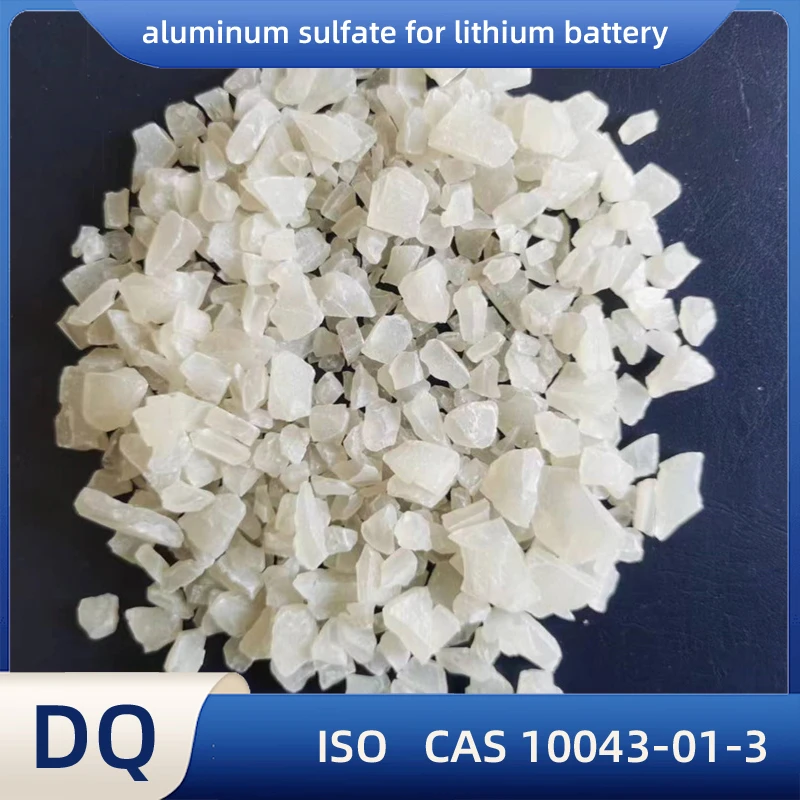
If you're interested in learning more about aluminum sulfate recycling or if you're looking to purchase high - quality aluminum sulfate products, we'd love to hear from you. Whether you have questions about our Water Treatment Aluminum Sulfate, Aluminum Sulfate14 - Hydrate, or Non - ferric Aluminum Sulfate, feel free to reach out. Let's work together to make the most of aluminum sulfate and contribute to a more sustainable future.
References
- "Industrial Waste Recycling: A Comprehensive Guide" - A book on industrial waste management and recycling.
- Journal articles on aluminum sulfate recycling published in environmental and chemical engineering journals.


