


Hey there! As a supplier of Water Treatment Aluminum Sulfate, I often get asked about the regulations surrounding its use in water treatment. It's a super important topic, so I thought I'd dive into it and share what I know.
First off, let's talk a bit about what aluminum sulfate is and why it's used in water treatment. Aluminum sulfate, also known as alum, is a chemical compound that's been used for ages to clarify water. When it's added to water, it helps to remove impurities like suspended solids, bacteria, and some heavy metals. It does this by causing these particles to clump together, making them easier to filter out.
Now, onto the regulations. The use of aluminum sulfate in water treatment is highly regulated in most countries. These regulations are in place to protect public health and the environment. In the United States, for example, the Environmental Protection Agency (EPA) sets standards for the amount of aluminum that can be present in drinking water. The maximum contaminant level goal (MCLG) for aluminum in drinking water is set at 0.05 to 0.2 mg/L. This is because high levels of aluminum in drinking water have been linked to potential health issues, such as neurological problems.
In the European Union, the regulations are also strict. The EU Drinking Water Directive sets limits on the concentration of aluminum in drinking water. Water treatment plants need to ensure that the water they supply meets these standards. This means that when we supply Water Treatment Aluminum Sulfate to water treatment facilities, they have to use it in a way that keeps the aluminum levels in the treated water within the legal limits.
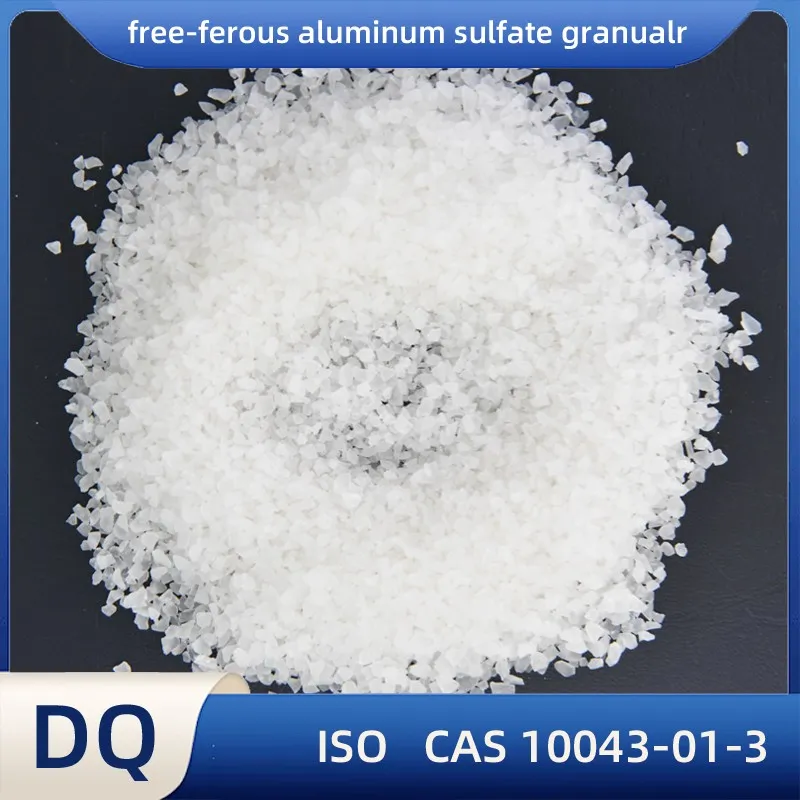
There are also regulations regarding the quality of the aluminum sulfate itself. For instance, the aluminum sulfate used in water treatment should be of a certain purity. Impurities in the aluminum sulfate can introduce other contaminants into the water. That's why we at our company make sure that our Aluminum Sulfate Flake and Iron - ferric Aluminum Sulfare Granular meet the highest quality standards.
When it comes to the application of aluminum sulfate in water treatment, there are guidelines on how much to use. Over - dosing can lead to an excessive amount of aluminum in the treated water, while under - dosing may not effectively remove the impurities. Water treatment operators need to carefully calculate the dosage based on the quality of the raw water, such as its turbidity, pH level, and the type of contaminants present.
In addition to the drinking water regulations, there are also environmental regulations. When water treatment plants discharge the treated water back into the environment, they need to ensure that the aluminum levels in the effluent are within the acceptable limits. This is to protect aquatic life. High levels of aluminum in water bodies can be toxic to fish and other aquatic organisms.
Another aspect of the regulations is the documentation and reporting. Water treatment facilities are required to keep records of the amount of aluminum sulfate they use, the quality of the raw water, and the quality of the treated water. They also need to report this data to the relevant regulatory authorities on a regular basis. This helps to ensure transparency and accountability in the water treatment process.
Now, you might be wondering how we, as a supplier, fit into all of this. Well, we play a crucial role. We need to provide our customers with high - quality aluminum sulfate products that meet the regulatory requirements. We also offer technical support to our customers. We can help them determine the right dosage of our products based on their specific water treatment needs.
If you're in the water treatment industry and are looking for a reliable supplier of aluminum sulfate, we're here for you. Our products are not only of high quality but also compliant with all the relevant regulations. Whether you need Aluminum Sulfate Flake or Iron - ferric Aluminum Sulfare Granular, we've got you covered.
If you're interested in learning more about our products or have any questions regarding the use of aluminum sulfate in water treatment, don't hesitate to reach out. We're always happy to have a chat and discuss how we can meet your water treatment needs.

In conclusion, the use of aluminum sulfate in water treatment is tightly regulated for good reasons. These regulations protect public health and the environment. As a supplier, we're committed to providing products that meet these regulations and supporting our customers in their water treatment processes. So, if you're in the market for water treatment aluminum sulfate, give us a shout, and let's start a conversation about how we can work together.
References
- U.S. Environmental Protection Agency (EPA). Drinking Water Standards and Health Advisories.
- European Union Drinking Water Directive.
- Various scientific studies on the effects of aluminum in water on human health and aquatic life.


